HIV Infection — A Complete Medical Guide
HIV (Human Immunodeficiency Virus) is a virus that attacks the human immune system — specifically CD4 T-cells. Without treatment, HIV progressively damages the immune system over years. With modern antiretroviral therapy (ART), HIV is a manageable chronic condition. People who start treatment early can live full, normal-length lives and, when virally suppressed, cannot sexually transmit the virus to their partners (U=U).
What Is HIV?
HIV stands for Human Immunodeficiency Virus. It is a lentivirus — a type of retrovirus — that infects humans and, if untreated, causes progressive failure of the immune system. HIV was first identified in the early 1980s when clusters of unusual immune deficiency-related illnesses began appearing in previously healthy adults.
There are two types of HIV. HIV-1 is the dominant type worldwide and responsible for the global HIV pandemic. HIV-2 is found mainly in West Africa, progresses more slowly, is less easily transmitted, and has natural resistance to some ART drugs. In India, almost all HIV infections are HIV-1.
HIV is not AIDS. HIV is the virus. AIDS (Acquired Immunodeficiency Syndrome) is the advanced stage of HIV infection — defined by a CD4 count below 200 cells/mm³ or the presence of an AIDS-defining illness. With modern ART started early, the vast majority of HIV-positive people never develop AIDS.
Key Fact
HIV is a manageable chronic condition — comparable to well-controlled diabetes or hypertension. People with HIV who start treatment early live full, healthy, normal-length lives. The goal of treatment is an undetectable viral load and a normal CD4 count.
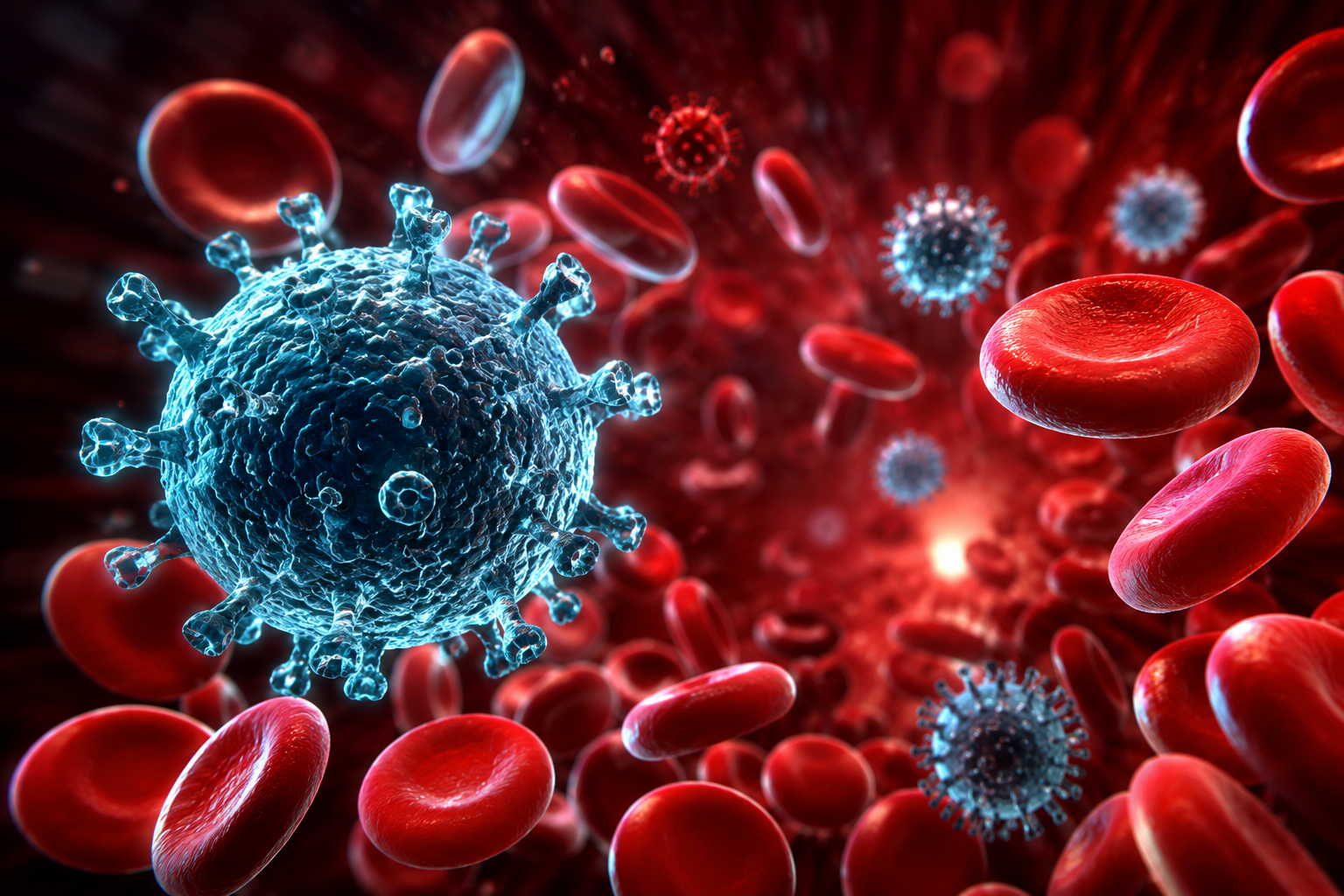
HIV vs AIDS — The Critical Distinction
HIV
The virus
AIDS
Advanced untreated HIV

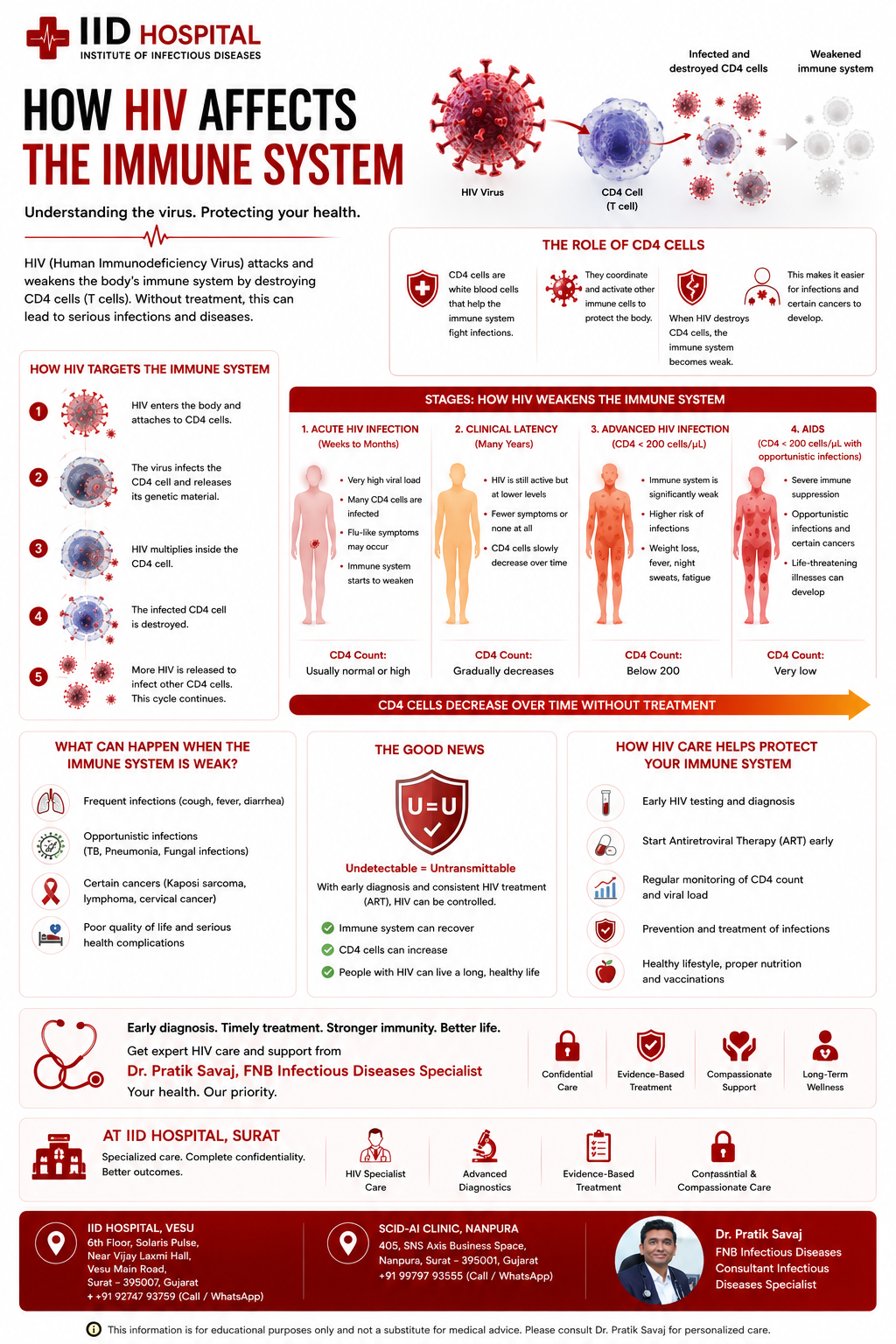
How HIV Affects the Immune System
The immune system relies on CD4 T-lymphocytes (CD4 T-cells) — helper T-cells — to coordinate the immune response to infections. A normal CD4 count in a healthy adult is 500–1,500 cells per mm³ of blood.
HIV specifically targets cells carrying the CD4 surface receptor. The virus binds to CD4, enters the cell, and hijacks the cell’s own machinery to replicate itself. It uses the enzyme reverse transcriptase to convert its RNA into DNA, then uses integrase to embed that DNA into the host cell’s genome. The cell then produces new HIV particles that infect more CD4 cells.
Over time, this destroys CD4 cells. Without enough CD4 cells, the immune system cannot fight opportunistic infections — infections a healthy immune system would prevent — such as Pneumocystis pneumonia, cryptococcal meningitis, and toxoplasmosis.
How ART Blocks HIV Replication
Why Combination ART Works
By combining drugs from different classes, ART suppresses HIV from multiple angles simultaneously — making it extremely difficult for the virus to develop resistance to all drugs at once. This is why modern ART, taken correctly, achieves and maintains an undetectable viral load indefinitely.
Causes of HIV & How It Spreads
HIV is present in specific bodily fluids in concentrations high enough to cause infection. Understanding transmission accurately is essential for prevention and for ending the stigma that prevents people from seeking care.
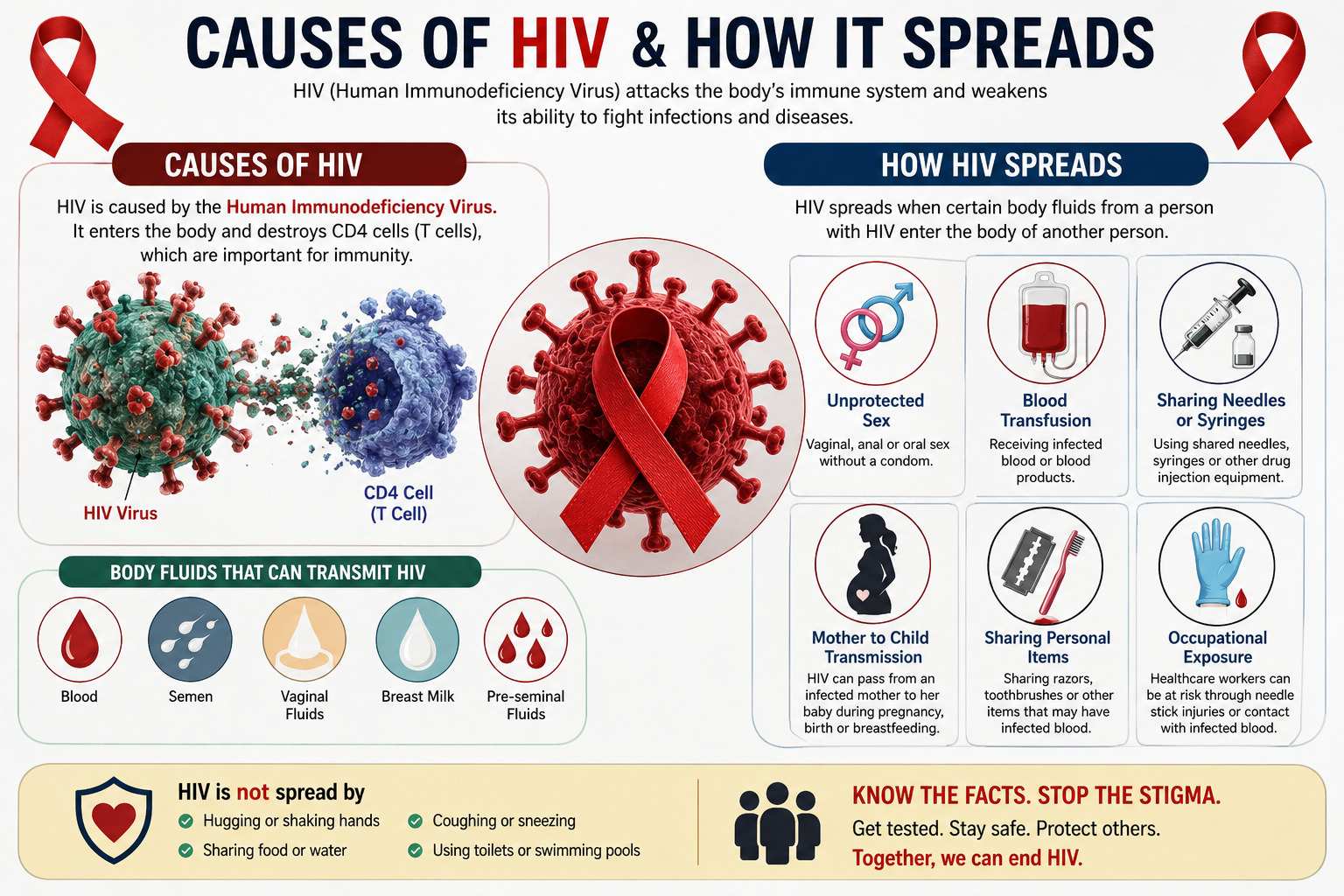
| Bodily Fluid | HIV Present? | Transmission Risk |
|---|---|---|
| Blood | Yes — high concentration | High risk |
| Semen & pre-seminal fluid | Yes — high concentration | Significant risk (sexual transmission) |
| Rectal fluid | Yes — high concentration | High risk (receptive anal sex) |
| Vaginal fluid | Yes — moderate concentration | Moderate risk |
| Breast milk | Yes | Risk (mother to child) |
| Saliva | Trace amounts only | No — not sufficient to transmit |
| Sweat, tears, urine | No or trace only | No transmission risk |
HIV Spreads Through
HIV Does NOT Spread Through
Undetectable = Untransmittable
A person with HIV who is on effective ART and has maintained an undetectable viral load (below 200 copies/mL) cannot sexually transmit HIV to their partner. This is established scientific fact confirmed by the PARTNER and PARTNER2 studies (zero transmissions in thousands of condomless sex acts) and endorsed by WHO, CDC, and UNAIDS. It is the most important prevention message in modern HIV care.
Stages & Symptoms of HIV Infection
HIV presents very differently depending on the stage of infection. Many people with HIV have no symptoms for years — testing is the only way to know your HIV status. The stages differ in viral load, CD4 count, symptoms, and infectiousness.
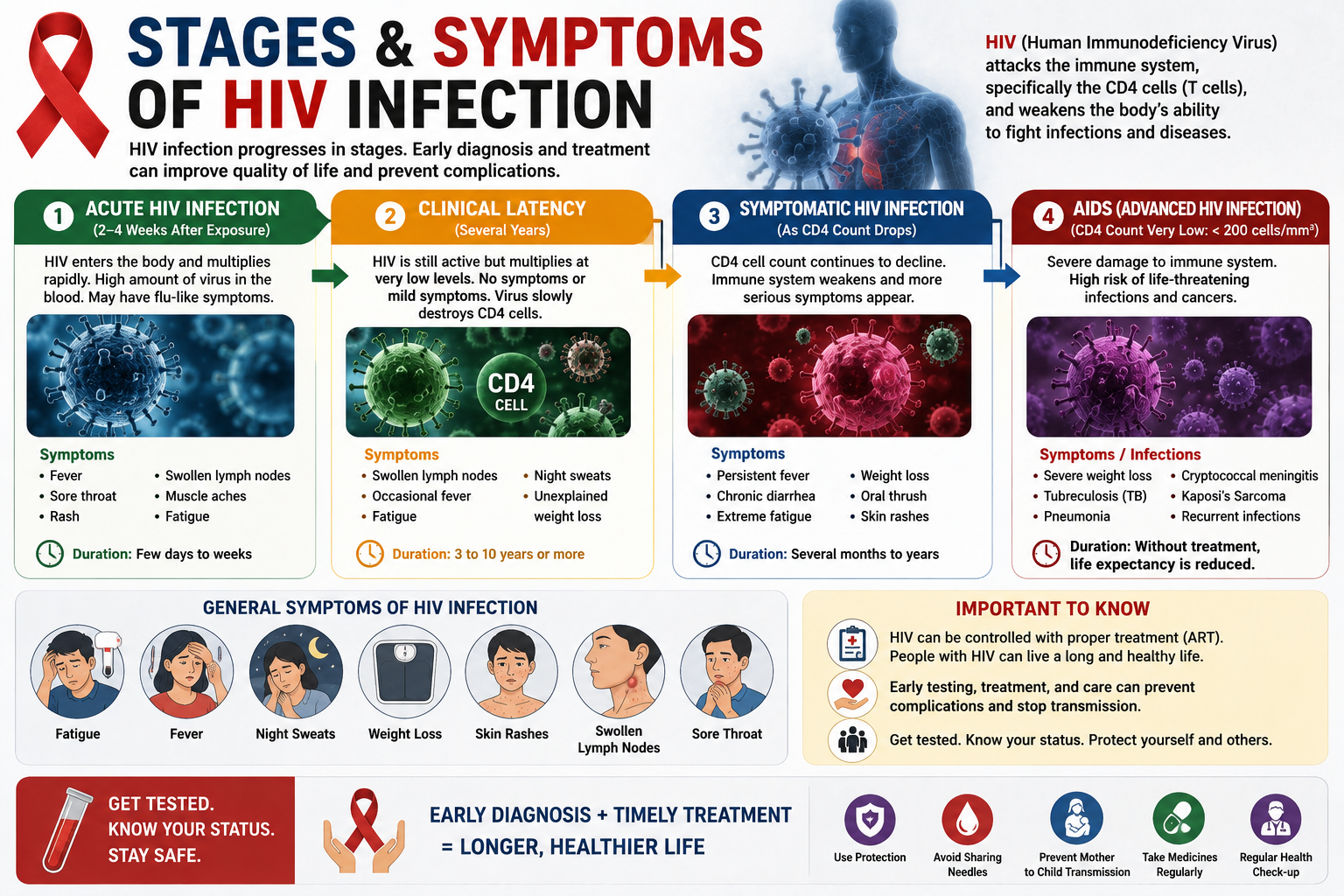
Acute HIV Infection
Seroconversion illness — lasts 1–2 weeks
Chronic HIV Infection
Clinical latency — HIV active at lower levels
Advanced HIV / AIDS
CD4 below 200/mm³ — preventable with early ART
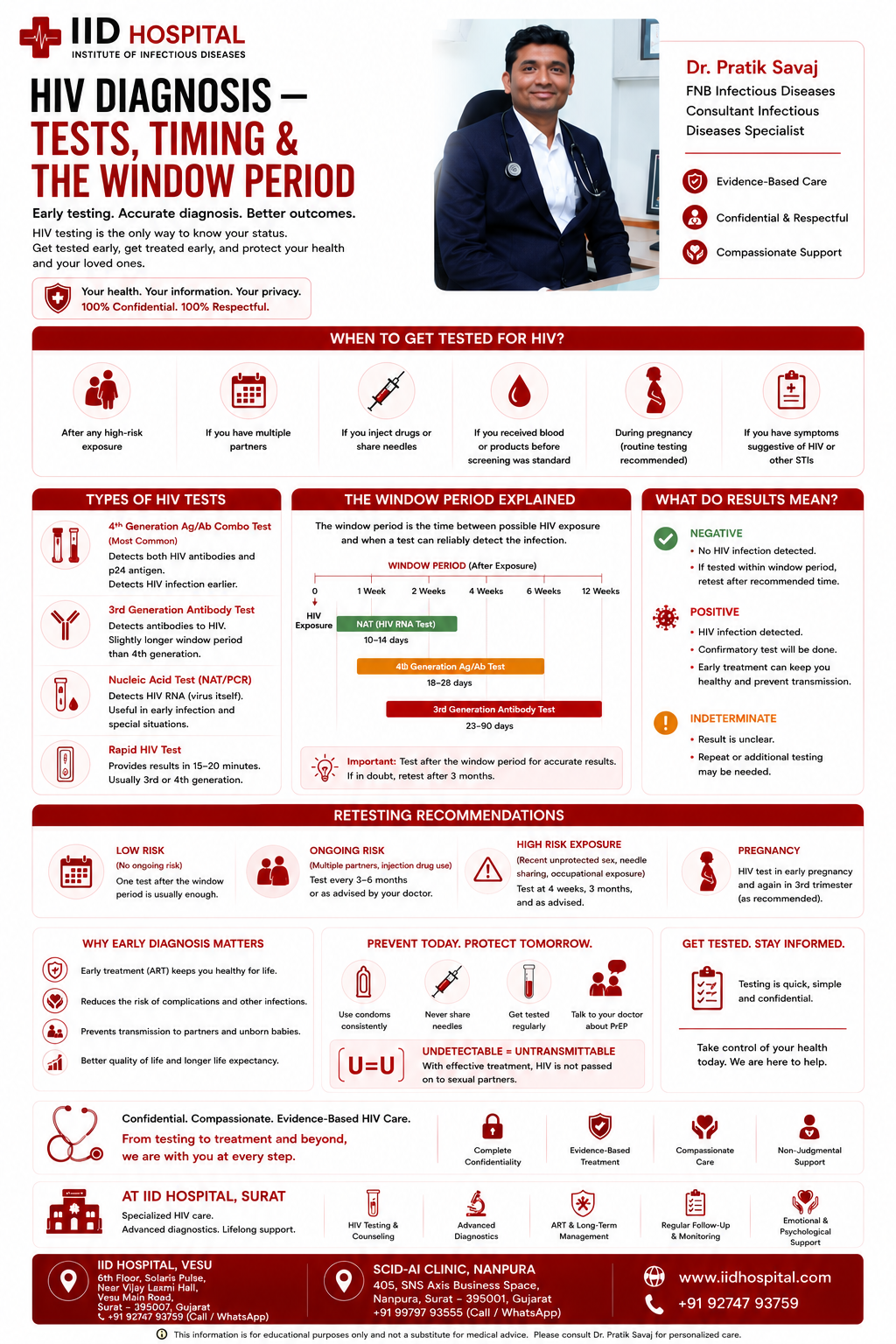
HIV Diagnosis — Tests, Timing & the Window Period
HIV testing is the only way to know your status. Testing is recommended for everyone and is essential after a potential HIV exposure, for pregnant women, and for anyone with symptoms suggestive of HIV.
| Test | What It Detects | Window Period | Use |
|---|---|---|---|
| 4th Gen ELISA (Ag/Ab) | Antibodies + p24 antigen | 18–45 days; reliable 6wk | First-line screening |
| Western Blot | Specific HIV protein antibodies | Same as ELISA | Confirmatory |
| HIV RNA PCR | HIV RNA (viral genetic material) | 10–12 days | Early infection; newborns; ART monitoring |
| CD4 Count | Number of CD4 T-cells/mm³ | Not applicable | Staging; treatment decisions; monitoring |
| Viral Load | Copies of HIV RNA per mL blood | Not applicable | ART monitoring; U=U status |
Understanding the Window Period
The window period is the time between infection and when a test can reliably detect HIV. With a 4th generation test (current standard): window period 18–45 days; reliable from 6 weeks; definitive at 12 weeks. A negative result at 12 weeks conclusively rules out HIV from that exposure. If you have had a high-risk exposure, seek PEP immediately — do not wait for the window period to end.
What CD4 Count and Viral Load Mean
CD4 count measures immune damage. Normal: 500–1,500/mm³. Below 200 defines AIDS. The goal of ART is to restore and maintain CD4 above 500. Viral load measures HIV replication. The goal of ART is “undetectable” — below 50 copies/mL. Undetectable = U=U status (cannot transmit sexually).
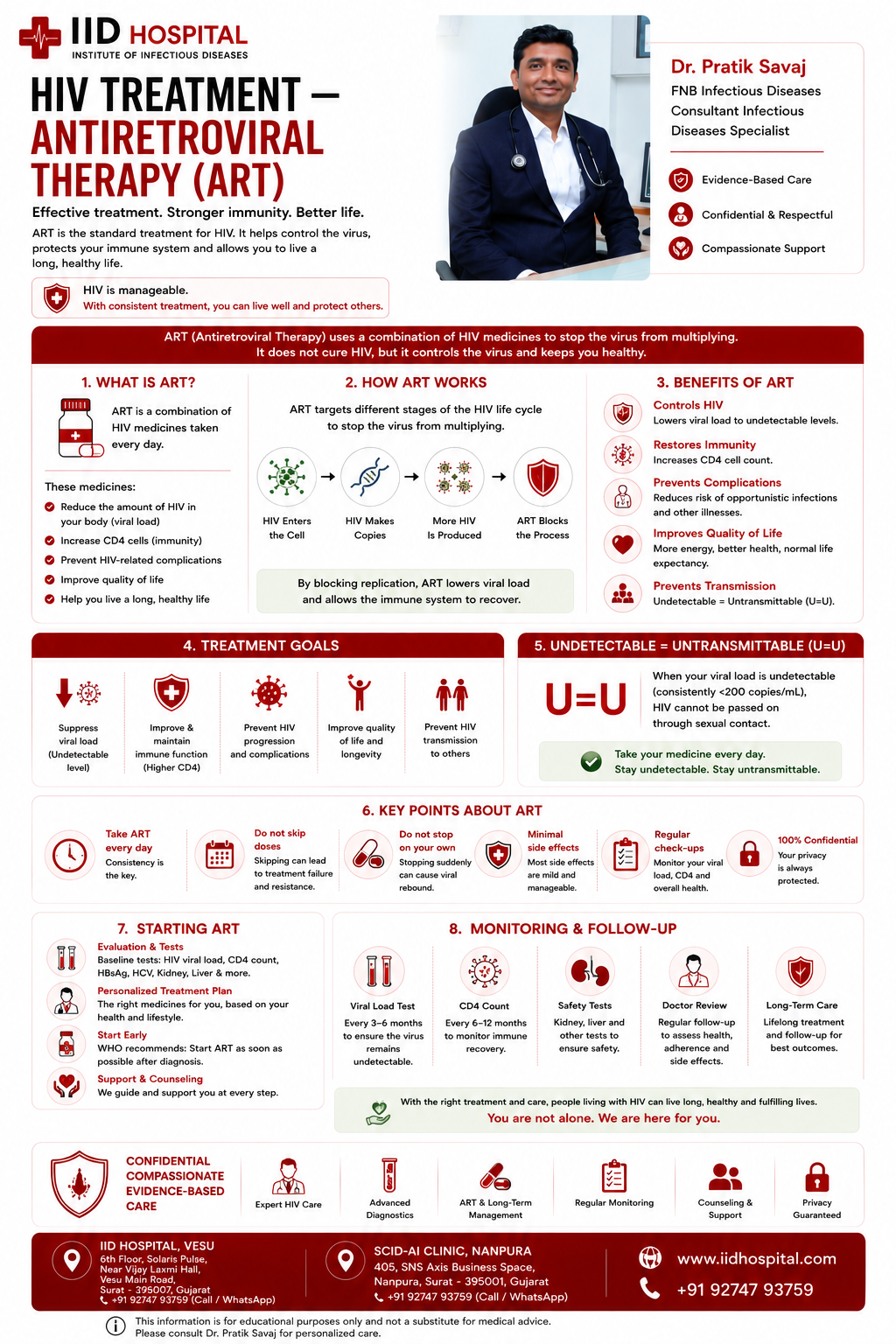
HIV Treatment — Antiretroviral Therapy (ART)
HIV cannot be cured with currently available medicines, but it can be completely controlled with antiretroviral therapy (ART). Modern ART is typically one tablet once daily. When taken correctly, ART suppresses HIV to undetectable levels indefinitely.
Everyone diagnosed with HIV should start ART — regardless of CD4 count or whether they have symptoms. Current WHO and Indian NACO guidelines recommend initiating ART on the day of diagnosis or as soon as possible. Earlier ART leads to better long-term outcomes.
The current WHO-preferred and NACO first-line regimen is TLD (Tenofovir + Lamivudine + Dolutegravir) — one tablet once daily, highly effective, well-tolerated, high barrier to resistance, and available free at all government ART centres in India.
6 Goals of ART
Undetectable Viral Load
Below 50 copies/mL — the clinical goal of treatment
Restore CD4 Count
Rebuild and maintain the immune system
Prevent Opportunistic Infections
TB, PCP, cryptococcal meningitis
U=U Status
Eliminate risk of sexual transmission
Manage Side Effects
Minimise impact on daily life
Full, Normal Lifespan
The achievable goal with early treatment
Treatment is Prevention
When viral load is suppressed to undetectable levels with ART, the virus cannot be sexually transmitted to a partner — zero risk. This is the most powerful HIV prevention tool for HIV-positive individuals in relationships.
Living With HIV in 2026
With ART, people with HIV can work, study, travel, have relationships, and have children — living full, healthy, normal-length lives. A 20-year-old starting ART today has a life expectancy comparable to their HIV-negative peers.
Pregnancy and Family Planning
HIV-positive individuals can have children safely. PMTCT (Prevention of Mother-to-Child Transmission) interventions — ART during pregnancy, appropriate delivery management, and infant prophylaxis — reduce HIV transmission to the baby to below 2%, and in many cases to zero.
Legal Rights Under the HIV Act 2017
Your Confidentiality Is Legally Guaranteed
Many people delay seeking HIV testing or treatment due to fear of disclosure. Under the HIV and AIDS (Prevention and Control) Act, 2017, your HIV status is legally protected. Healthcare providers who violate confidentiality face criminal penalties. At IID Hospital, all HIV consultations are fully confidential by law and by practice.
HIV & TB Co-Infection
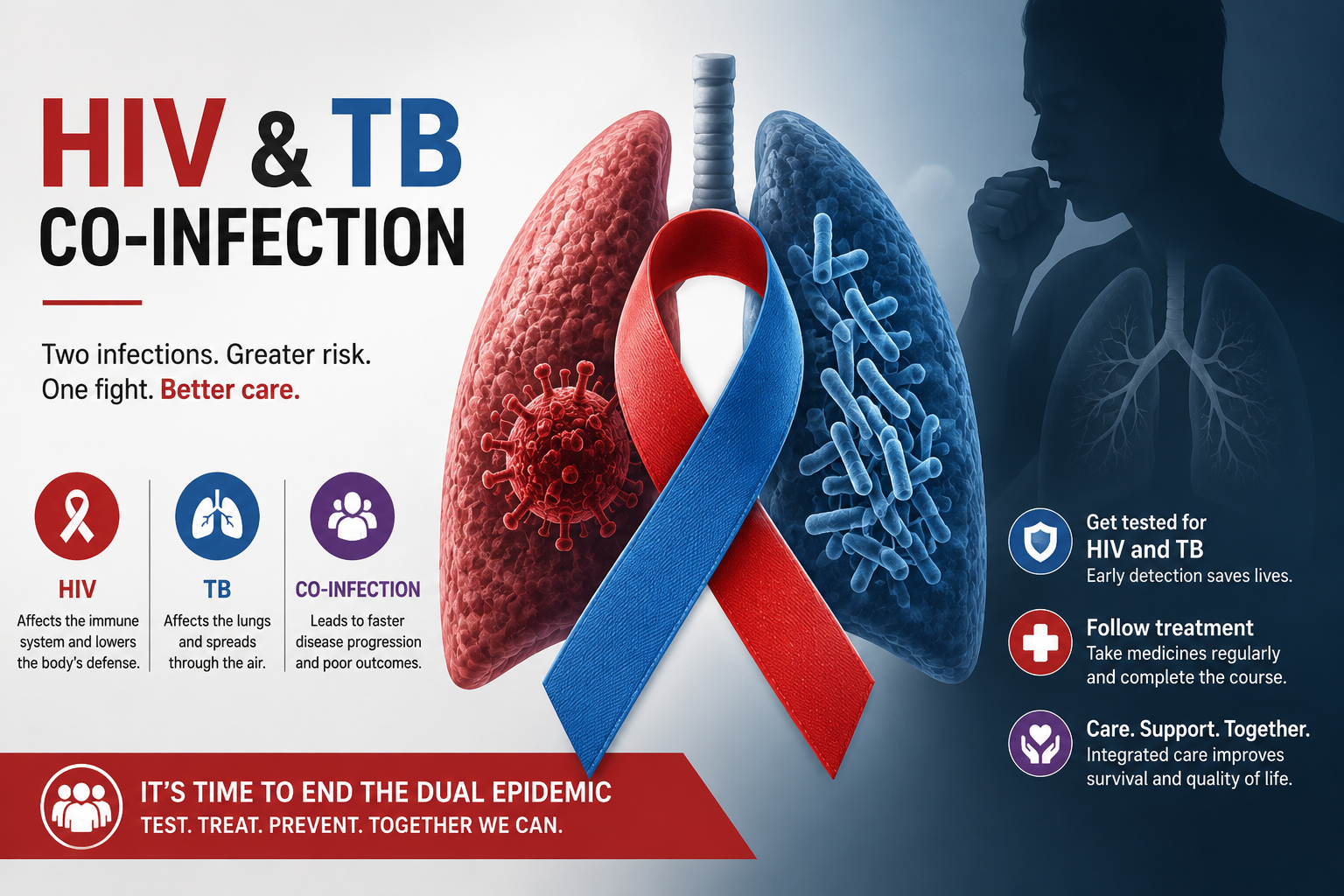
TB is the leading cause of death in people with HIV worldwide. People with HIV are 18 times more likely to develop active TB. Managing both conditions together requires specialist expertise due to drug interactions and IRIS risk.
HIV Prevention
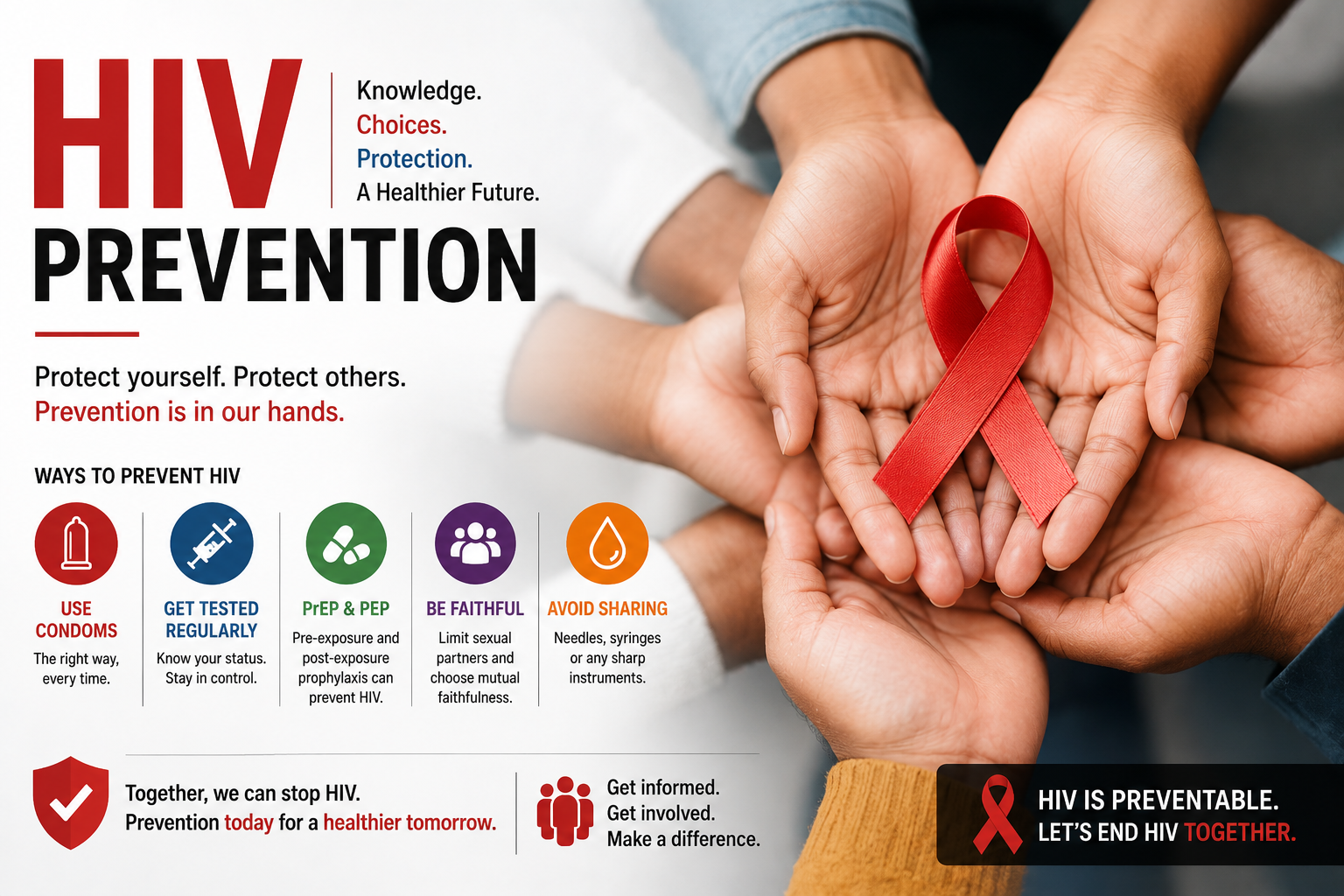
Modern HIV prevention is highly effective. The combination of PrEP, PEP, U=U, and consistent condoms means HIV transmission is preventable in almost all circumstances.
PrEP
Daily tablet for HIV-negative people at ongoing high risk. Reduces infection risk by 99%+ when taken consistently.
PEP
Emergency 28-day ART after high-risk exposure. Must start within 72 hours. Call immediately.
U=U
Undetectable = Untransmittable. HIV-positive people on effective ART cannot transmit HIV sexually.
PMTCT
With ART during pregnancy and infant prophylaxis, mother-to-child transmission drops below 2%.
HIV Infection in India
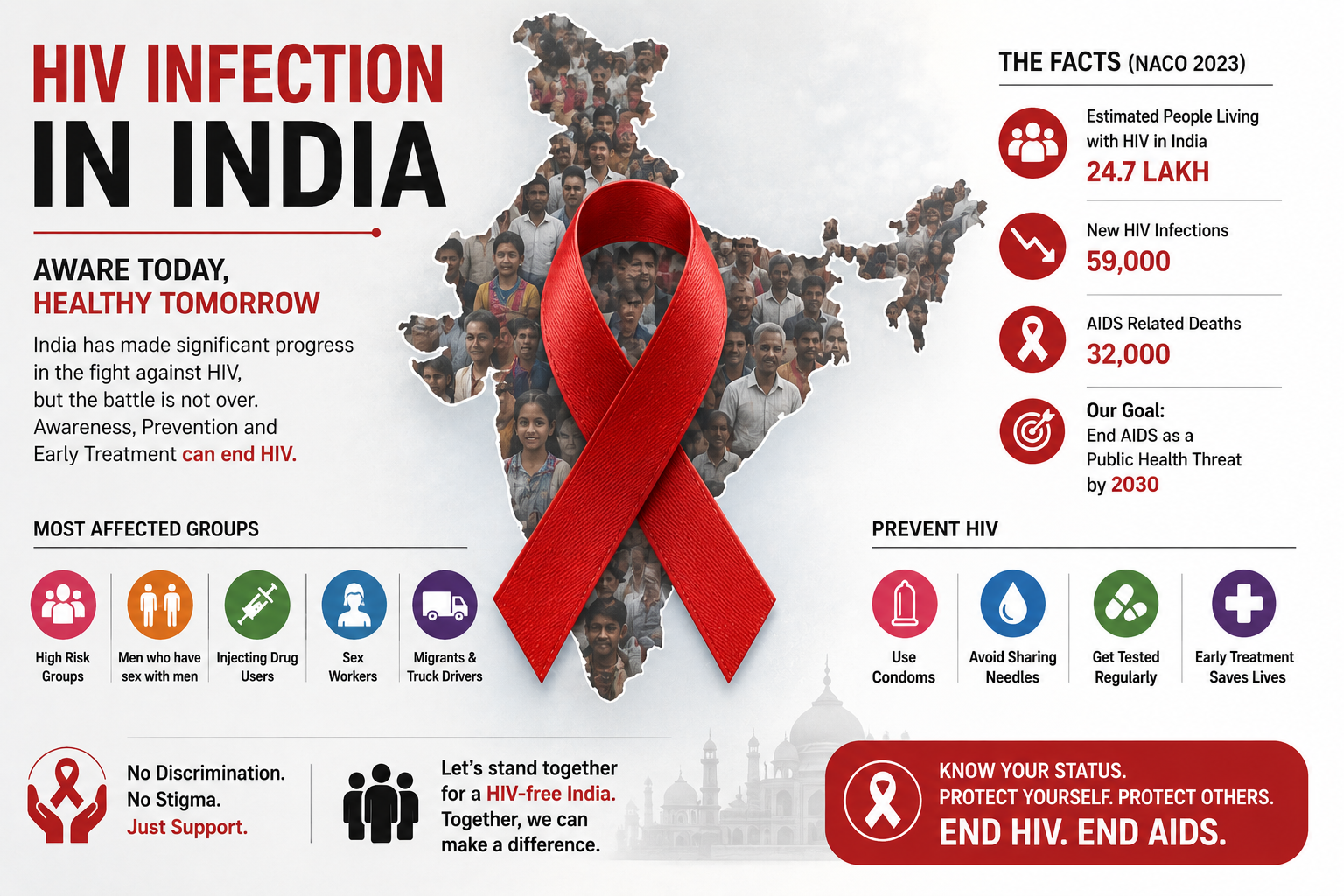
India has the third-largest HIV epidemic in the world, with an estimated 2.4 million people living with HIV (NACO 2023). The adult HIV prevalence is approximately 0.20%. India’s HIV response is coordinated by NACO (National AIDS Control Organisation) under the Ministry of Health.
India’s HIV programme has achieved significant progress: new HIV infections have declined by over 46% and AIDS-related deaths by over 71% since 2010. India aims to end AIDS as a public health threat by 2030, aligned with UNAIDS 95-95-95 targets.
Free HIV Treatment in India
The Government of India provides free ART through NACO-run centres in all districts. The standard first-line regimen TLD (Tenofovir + Lamivudine + Dolutegravir) is available free. Free HIV testing, CD4 count, and viral load testing are available at government ICTC and ART centres. No patient should go without ART in India due to cost.
What Patients Say About Dr. Pratik Savaj
I was terrified when I tested positive. Dr. Savaj spent a full hour with me — explaining what HIV means today, what ART does, what U=U means. I left feeling like a person with a manageable condition and a doctor who genuinely cares.
I needed PEP after a high-risk exposure. WhatsApp’d at 10 PM, Dr. Savaj responded within 30 minutes, and I had the prescription next morning — well within the 72-hour window. His responsiveness may have saved me from HIV.
I have been undetectable for 2 years under Dr. Savaj’s care. He manages my viral load, CD4, side effects, and drug interactions with real specialist depth. The confidentiality is complete — my employer knows nothing.
My husband is HIV-positive and I am negative. Dr. Savaj explained U=U, started ART, and now his viral load is undetectable. We no longer live in fear. Dr. Savaj gave our marriage back to us.
Starting PrEP through Dr. Savaj was the best decision I made. He explained everything clearly. I’ve been on PrEP for 8 months with no side effects and complete confidence.
Diagnosed with HIV and TB simultaneously. The dual diagnosis was overwhelming. Dr. Savaj managed both with precision — six months later my TB is cured and my HIV viral load is undetectable.
Frequently Asked Questions
About HIV Infection
Answered by Dr. Pratik Savaj, FNB Infectious Diseases — IID Hospital, Vesu, Surat.