Built for Patients Who Needed
a Specialist — and Had None
Surat is one of India’s most dynamic cities — but for years, patients with complex infectious diseases had no dedicated specialist to turn to. They moved between general physicians, getting treated for symptoms rather than diagnoses.
The wrong treatment is not just ineffective — it is dangerous. Ibuprofen for dengue causes bleeding. Ciprofloxacin for fluoroquinolone-resistant typhoid fails. Treating “HIV fever” without HIV testing misses a lifelong diagnosis.
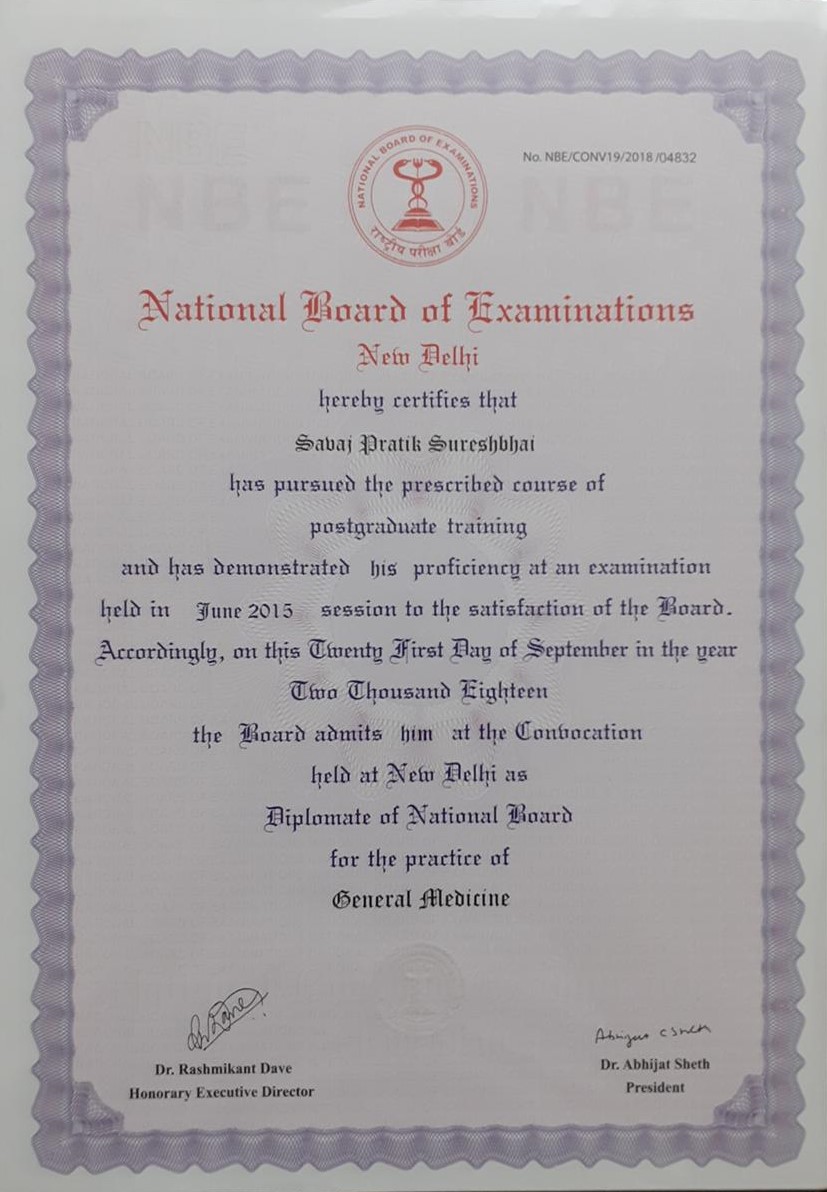
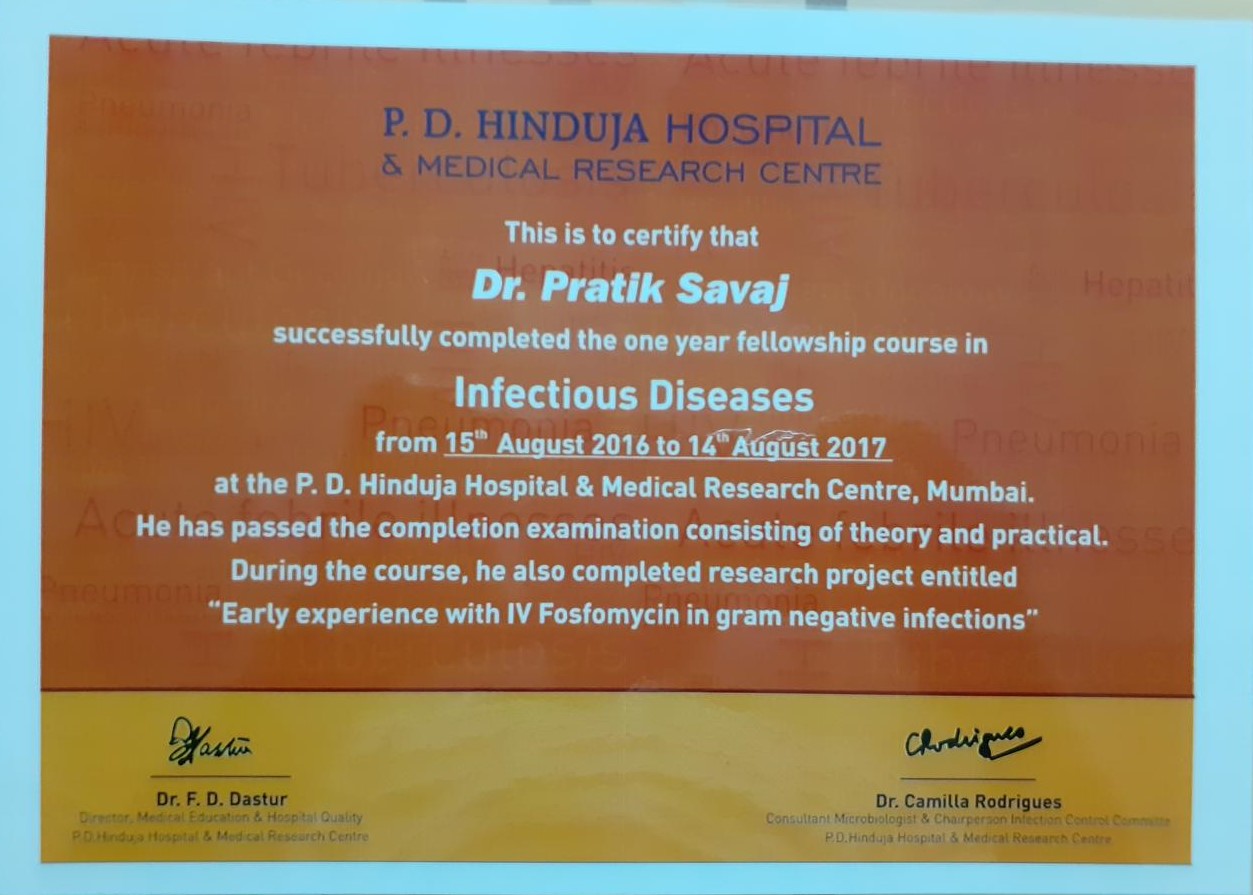
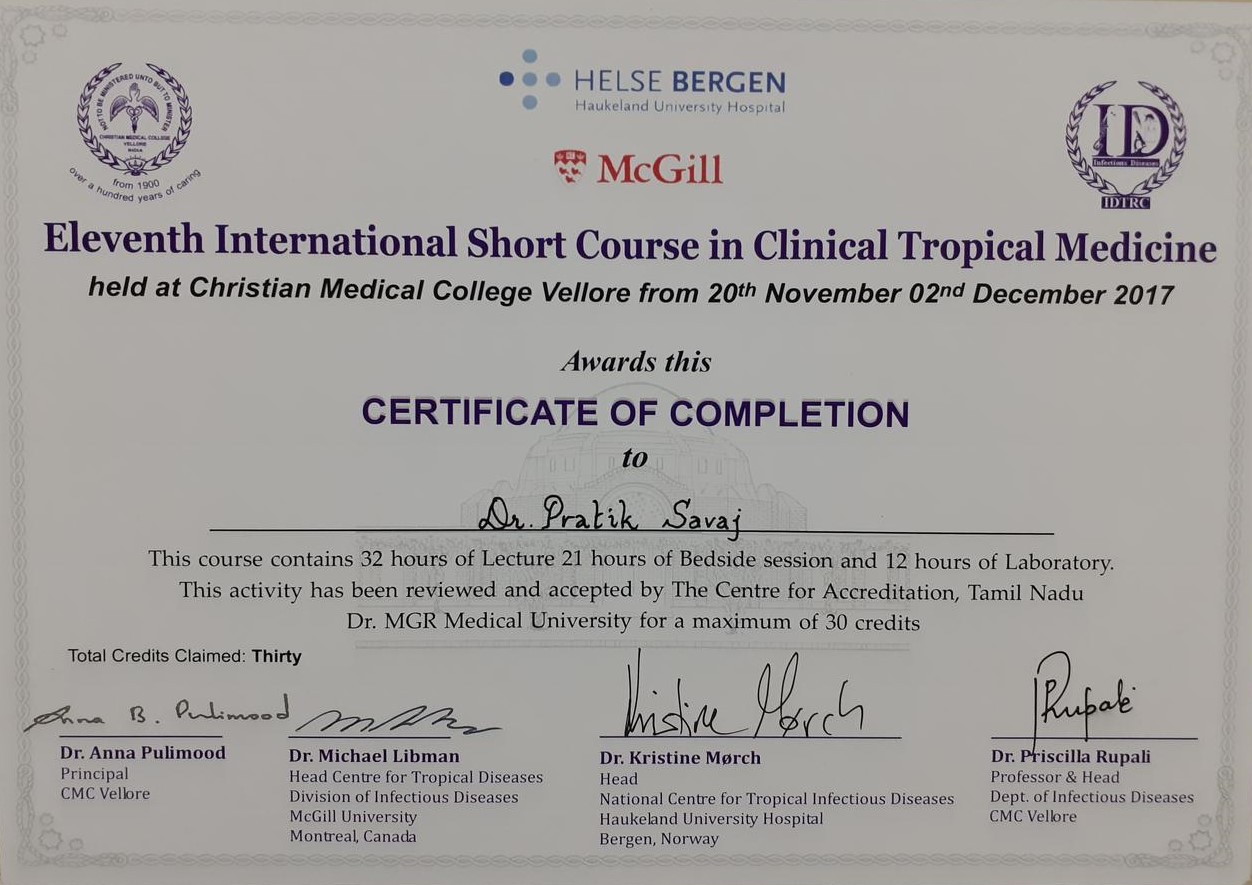
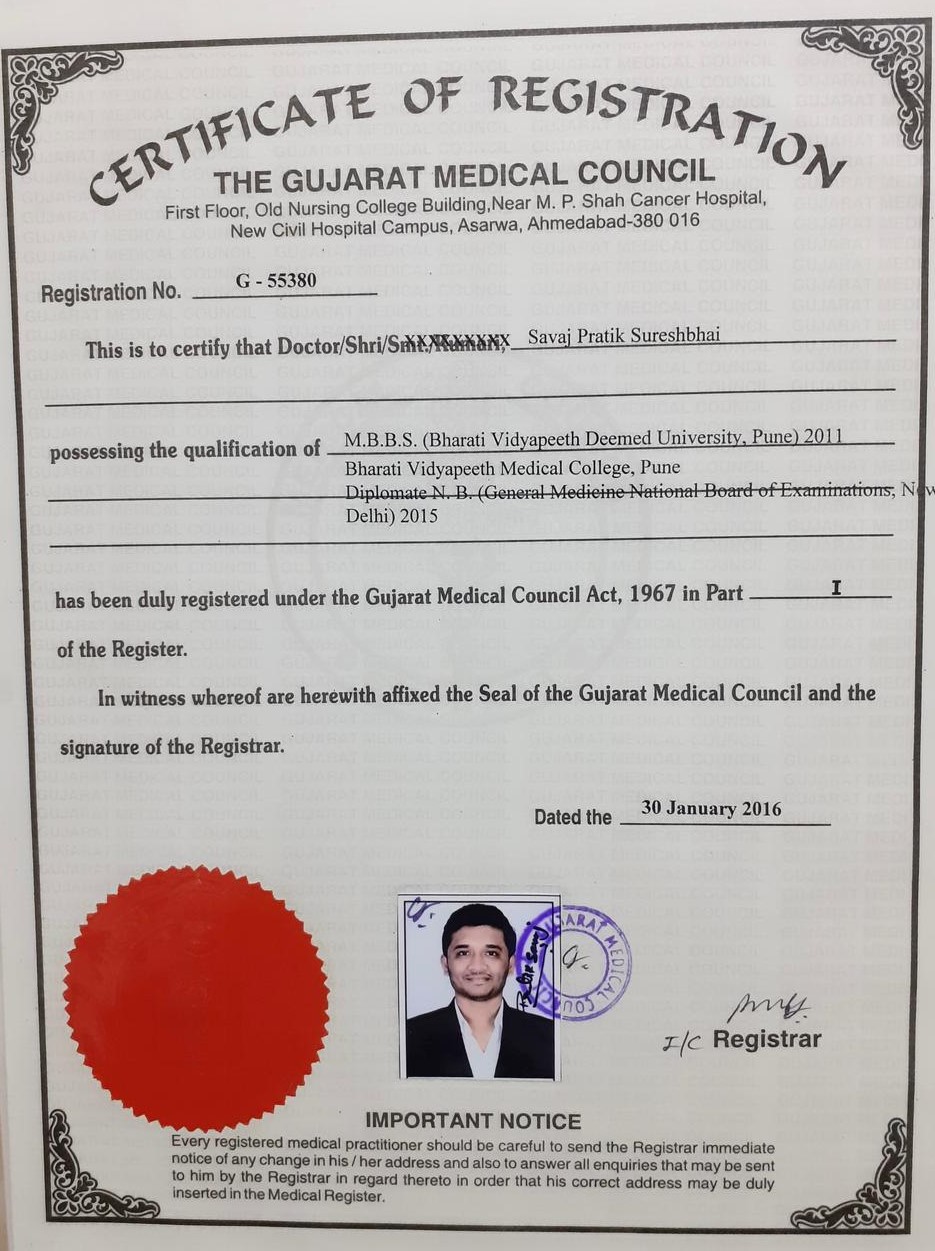
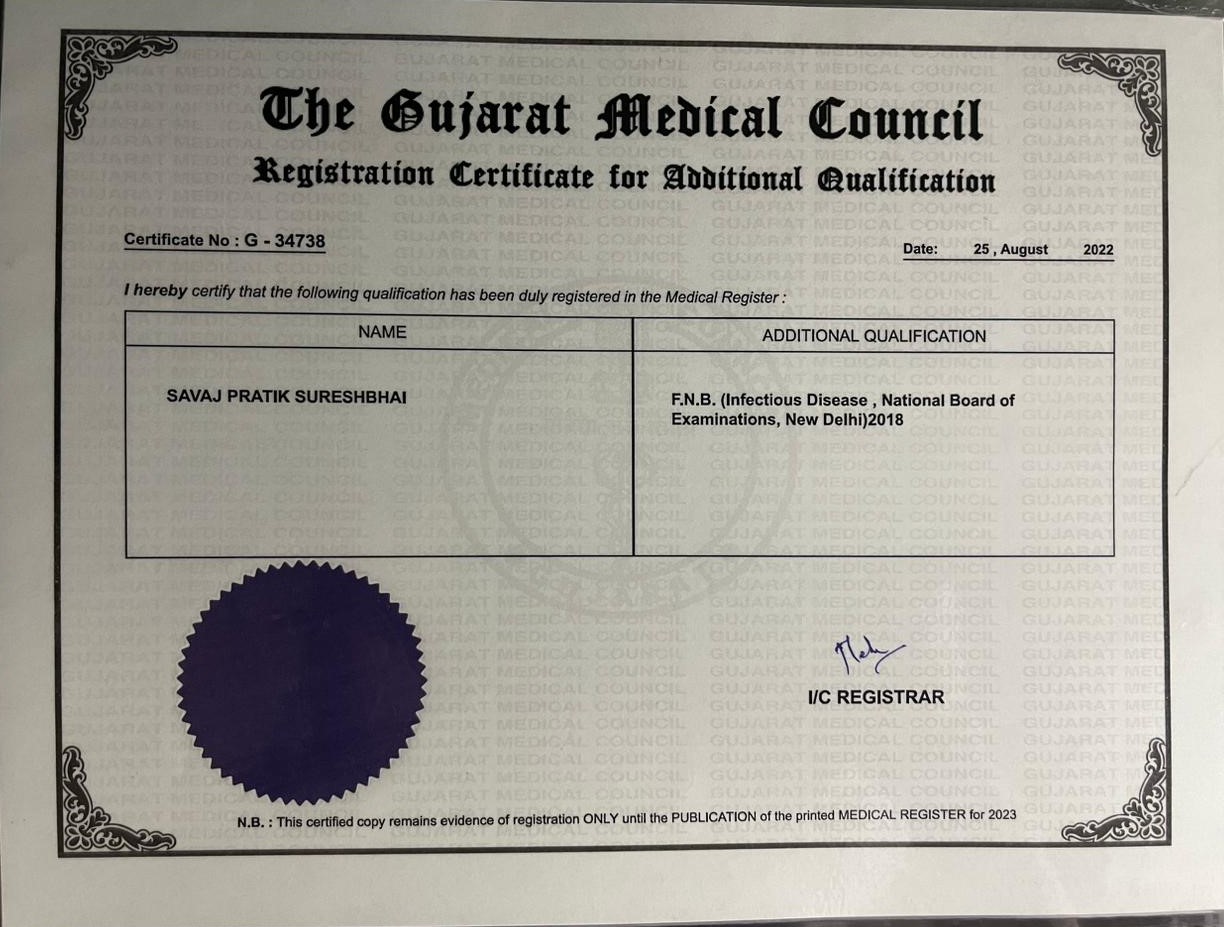
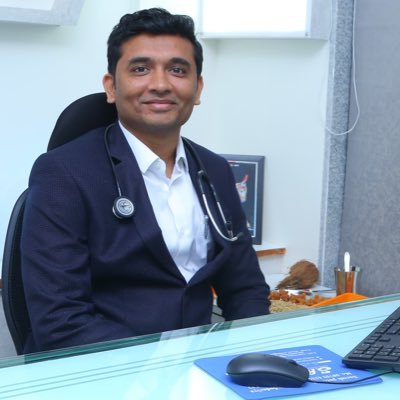
Dr. Pratik Savaj trained specifically to fill this gap. After completing his MBBS and DNB in internal medicine, he pursued the most demanding infectious disease training available in India — a fellowship at P.D. Hinduja Hospital, Mumbai, followed by the FNB in Infectious Diseases. He returned to Surat and founded IID Hospital (Institute of Infectious Diseases).
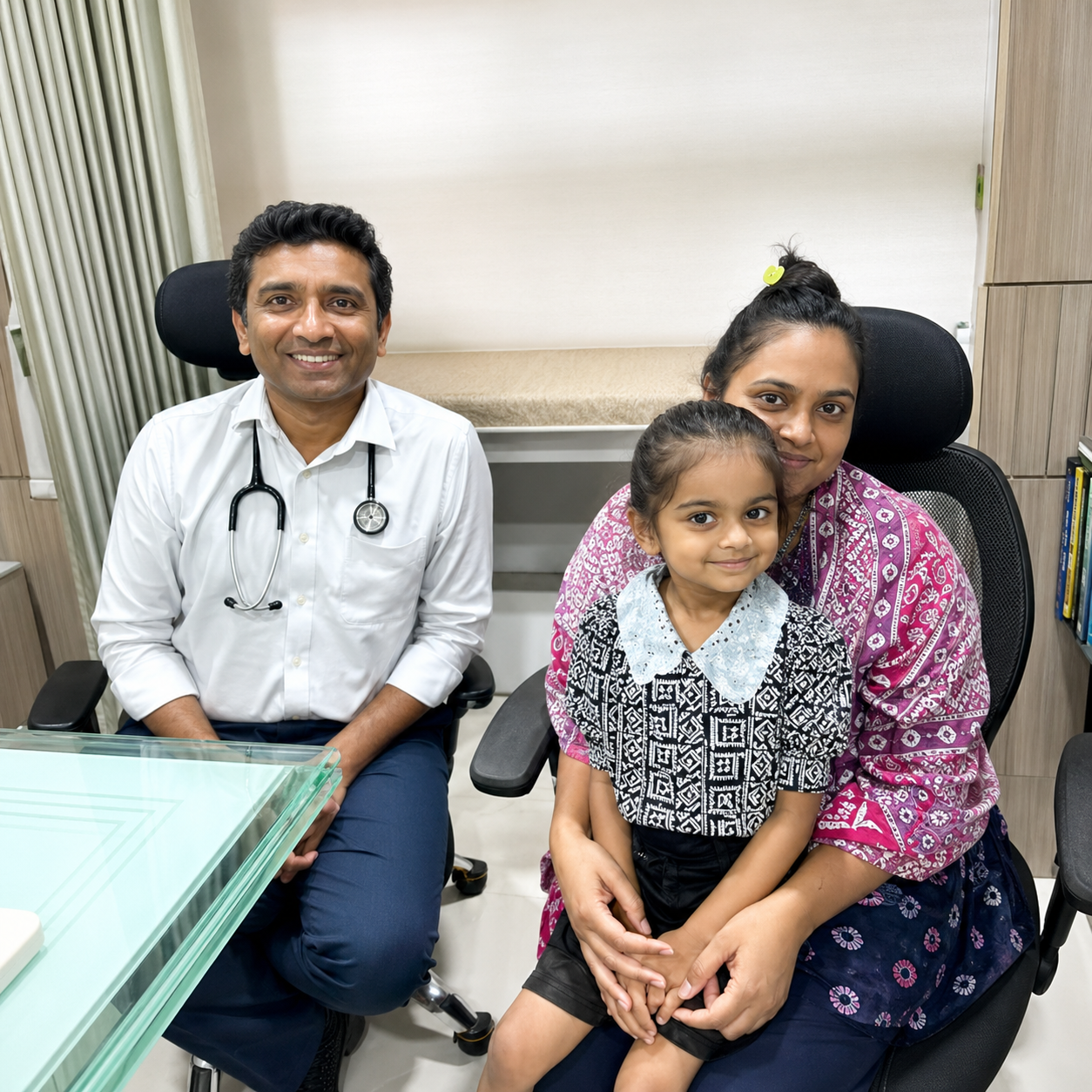
IID Hospital is not a general clinic. It is a single-speciality practice focused exclusively on infectious disease — the only one of its kind in Surat.