SCID-AI · 405 SNS Axis Business Space, Nanpura, Surat
Mon–Sat: 11–1 PM & 4–6 PM
Living with HIV SCID-AI Surat  HIV · SCID-AI Blog
U = U Undetectable = Untransmittable
On ART with viral suppression: life expectancy approaches normal
 HIV · SCID-AI Blog

Living With HIV — Relationships, Work, Family, and Life on ART

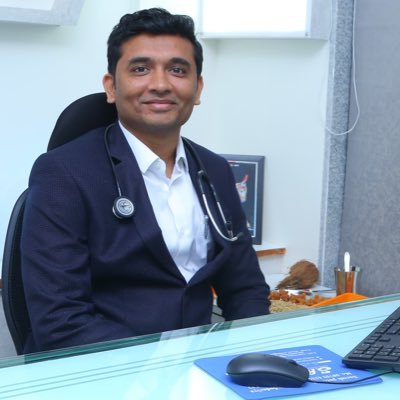
Dr. Pratik Savaj
Dr. Pratik SavajFNB Infectious Diseases · SCID-AI, Surat
An HIV diagnosis changes many things — but not as many as most people fear. On effective ART with an undetectable viral load, life expectancy approaches that of an HIV-negative person. You can work, marry, have children, travel, and live fully. This article addresses the practical questions that matter most in daily life — the ones that often go unasked in a clinic.

U=U — The Most Important Thing to Know

Before anything else about living with HIV, one fact must be understood completely. It changes how you think about relationships, disclosure, and your future.

Undetectable = Untransmittable

A person living with HIV who is on effective ART and has a consistently undetectable viral load cannot transmit HIV to a sexual partner. This is not a claim — it is established science from the PARTNER 1, PARTNER 2, and Opposites Attract studies: zero transmissions from 76,000+ condom-less sex acts where the HIV-positive partner was undetectable.

Source: PARTNER Studies (Rodger et al., JAMA 2019) · Opposites Attract (Bavinton et al., Lancet HIV 2018)

What U=U Means for Your Life

If your viral load is undetectable: you cannot transmit HIV to a sexual partner; you can have unprotected sex with a partner who is HIV-negative without transmitting HIV to them; you can have biological children without transmitting HIV if viral load is suppressed and obstetric precautions are taken. U=U does not protect against other STIs — condoms still protect against gonorrhoea, chlamydia, syphilis, and herpes.

HIV in Daily Life — What Changes and What Doesn’t

Most aspects of daily life are unchanged by HIV when it is well-managed. The areas where some consideration is needed are manageable with straightforward guidance.

Relationships & Marriage

With undetectable viral load (U=U), sexual transmission risk is zero. You can have a fully intimate relationship. Disclosure is a personal decision — but relationships built on honesty are more resilient. Your HIV-negative partner can take PrEP as an additional protection layer if they choose. At SCID-AI, pre-marital counselling sessions address disclosure, partner testing, and U=U science.

Work & Career

You have no legal obligation to disclose HIV status to an employer under the HIV and AIDS (Prevention and Control) Act, 2017. HIV-positive status cannot be used for termination, non-promotion, or salary reduction. ART is taken once daily — a single tablet that fits into any routine. Clinic appointments are every 3–6 months, manageable as routine medical appointments.

Family & Children

HIV-positive individuals can have biological children safely. With ART and undetectable viral load, mother-to-child transmission is below 1%. HIV-positive fathers do not transmit HIV through conception when viral load is suppressed. At SCID-AI, pre-conception counselling optimises ART regimen for pregnancy and plans the HBIG + birth-dose protocol for the baby.

Travel

People living with HIV can travel freely within India. International travel requires advance planning: carry enough ART for the entire trip plus 2 extra weeks; carry a doctor’s letter listing medications; check destination country’s entry requirements (some countries still have HIV-related entry restrictions). Dr. Savaj provides travel letters and pre-travel consultation for HIV-positive travellers.

Exercise & Sport

There are no physical activity restrictions for people on ART with good viral suppression. Exercise is beneficial — it improves cardiovascular health, mental wellbeing, and immune function. Competitive sport at any level is permitted. Some ART drugs (particularly older regimens) cause mild fatigue early on — this resolves as the body adjusts. Tell your trainer only if you choose to.

Mental Health & Stigma

Stigma is the most damaging aspect of HIV in India — not the virus. Depression and anxiety are more common in HIV-positive individuals and are as important to treat as the virus itself. SCID-AI connects patients with counselling support. Peer support groups, psychological counselling, and if needed, antidepressant therapy — all are part of comprehensive HIV care.

ART HIV one tablet daily SCID-AI Surat
Modern first-line ART: one tablet daily — tenofovir + lamivudine + dolutegravir (TLD). Taken at the same time every day. Viral load undetectable within 6 months in most patients. This single tablet is the foundation of a normal life.

Taking ART Every Day — Building the Routine

Adherence is the single most important determinant of long-term outcome in HIV. The goal: take your ART at the same time every day, every day, indefinitely. Missing even occasional doses allows viral replication, which risks resistance development and immune damage. Modern ART is far more forgiving than older regimens — but consistency is still non-negotiable.

SituationWhat to DoWhat NOT to Do
Missed one doseTake it as soon as remembered (same day). Continue normal schedule tomorrow.Double dose the next day. This can increase side effects.
Vomiting within 1 hour of doseRetake the dose — it likely was not absorbed.Assume it was absorbed and skip. You may have an unprotected period.
Travel across time zonesKeep to home-time schedule or adjust gradually by 1–2 hours per day.Skip doses because of confusion about timing.
Feeling well and wanting a 'break'Continue every day. Feeling well is the result of the drug — not a sign you can stop.Stop ART. Viral rebound begins within days. Resistance risk follows.
Taking other medicationsInform Dr. Savaj before starting any new drug — interaction check is mandatory.Start antibiotics, antifungals, or TB drugs without checking ART interaction.
Calcium/iron supplementsSeparate from dolutegravir by at least 2 hours (before or after).Take calcium or iron at the same time as dolutegravir (reduces absorption 75%).
AlcoholOccasional moderate alcohol is tolerable. Never drink on a day you might miss your dose.Heavy drinking. Worsens adherence, liver health, and mental wellbeing.
HIV relationships disclosure SCID-AI Surat
Disclosure is a personal decision at a personal pace — not a medical requirement. Dr. Savaj supports patients through disclosure planning at SCID-AI, including partner counselling sessions.

Disclosure — Who, When, and How

Disclosure of HIV status is deeply personal and the decision belongs entirely to the individual. There is no universal right answer — only the answer that works for each person’s specific relationships, safety, and circumstances.

The minimum clinical recommendation: sexual partners should be informed or alternative protection used — because sexual partners have a right to make their own healthcare decisions. With U=U and undetectable viral load, the transmission risk is zero — but the partner may still want to be tested, start PrEP, or make their own informed choices.

Disclosure Support at SCID-AI

Dr. Savaj offers partner counselling sessions — a structured consultation where you and your partner meet with Dr. Savaj together. This is the safest way to disclose: medically accurate information, questions answered in real time, and a private, non-judgmental space. The session covers U=U, partner testing, PrEP, and the science of HIV management.

The HIV and AIDS (Prevention and Control) Act, 2017 provides significant legal protections for people living with HIV in India. These rights are enforceable — and knowing them is part of living confidently with HIV.

Right to Confidentiality

Your HIV status is protected medical information. No healthcare provider, employer, or institution can disclose it without your written consent.

Right Against Discrimination

Employers cannot terminate, demote, or alter conditions of employment on the basis of HIV status. Educational institutions cannot deny admission.

Right to Healthcare

No healthcare provider or institution can refuse treatment on the basis of HIV status. Refusal of healthcare is a violation of the 2017 Act.

Right to Informed Consent

HIV testing requires your informed consent. Testing without consent — including mandatory pre-employment testing — is prohibited.

Right to Insurance

Insurance companies cannot deny health or life insurance solely on the basis of HIV-positive status under the 2017 Act.

Right to Legal Redress

Violations of any of the above rights can be reported to the HIV/AIDS Ombudsman appointed by the state government under the 2017 Act.

Having Children — A Complete Guide

Having biological children is possible and safe for HIV-positive individuals. The route to a healthy baby requires planning and specialist coordination — but the outcome, when managed well, is a healthy HIV-negative child born to a healthy parent.

Optimise ART before conception: achieve undetectable viral load (ideally <50 copies/mL) for at least 6 months before trying to conceive.
Switch to pregnancy-safe regimen if needed: TLD (tenofovir + lamivudine + dolutegravir) is safe in pregnancy including first trimester.
HIV-negative partners: PrEP during conception attempts; blood test after.
During pregnancy: continue ART throughout. Viral load monitored monthly in third trimester.
At birth: HBIG + birth-dose vaccine for baby within 12 hours; nevirapine for 6 weeks.
Infant testing: HIV DNA PCR at 6 weeks, 12 weeks, and 18 months.
Breastfeeding: WHO now recommends that HIV-positive mothers on ART with undetectable viral load can breastfeed safely in low-resource settings. Discuss with Dr. Savaj.
HIV positive mother child SCID-AI Surat
With ART and undetectable viral load, mother-to-child transmission of HIV is below 1%. A healthy HIV-negative baby born to an HIV-positive parent — this is the achievable goal with proper care.
HIV monitoring SCID-AI Surat viral load CD4
Every 6 months at SCID-AI: viral load + CD4 count + LFT + RFT + TB screening. This routine monitoring catches treatment failure early, monitors organ health, and ensures continued viral suppression — the foundation of a normal life.

Long-Term Monitoring — What to Expect at Each Visit

Living well with HIV means a relationship with SCID-AI every 3–6 months — not because things are going wrong, but because consistent monitoring catches any change early. After the first year of stable ART, visits become less frequent and shorter.

At each monitoring visit: viral load (the most important number — should be undetectable); CD4 count (tracked annually when stable); liver and kidney function (ART safety monitoring); TB symptom screen and IGRA if indicated; STI screen if relevant; and a brief mental health check-in. The goal of every visit is the same: undetectable viral load, stable CD4, good adherence, and good quality of life.

All HIV Consultations at SCID-AI Are Fully Confidential

Your HIV status, viral load, and every aspect of your consultation at SCID-AI is fully confidential. It is never shared with family members, employers, insurance companies, or any other party without your explicit written consent. The consultation room is private. Your medical records are protected. No aspect of your care leaves SCID-AI without your permission.

The Living With HIV Rule

HIV is a chronic manageable condition — not a terminal diagnosis. One tablet, once a day, every day. Undetectable viral load within 6 months. Life expectancy approaching normal. Zero sexual transmission risk with U=U. You can work, marry, have children, travel, and live fully. The diagnosis is the beginning of treatment — not the end of life.
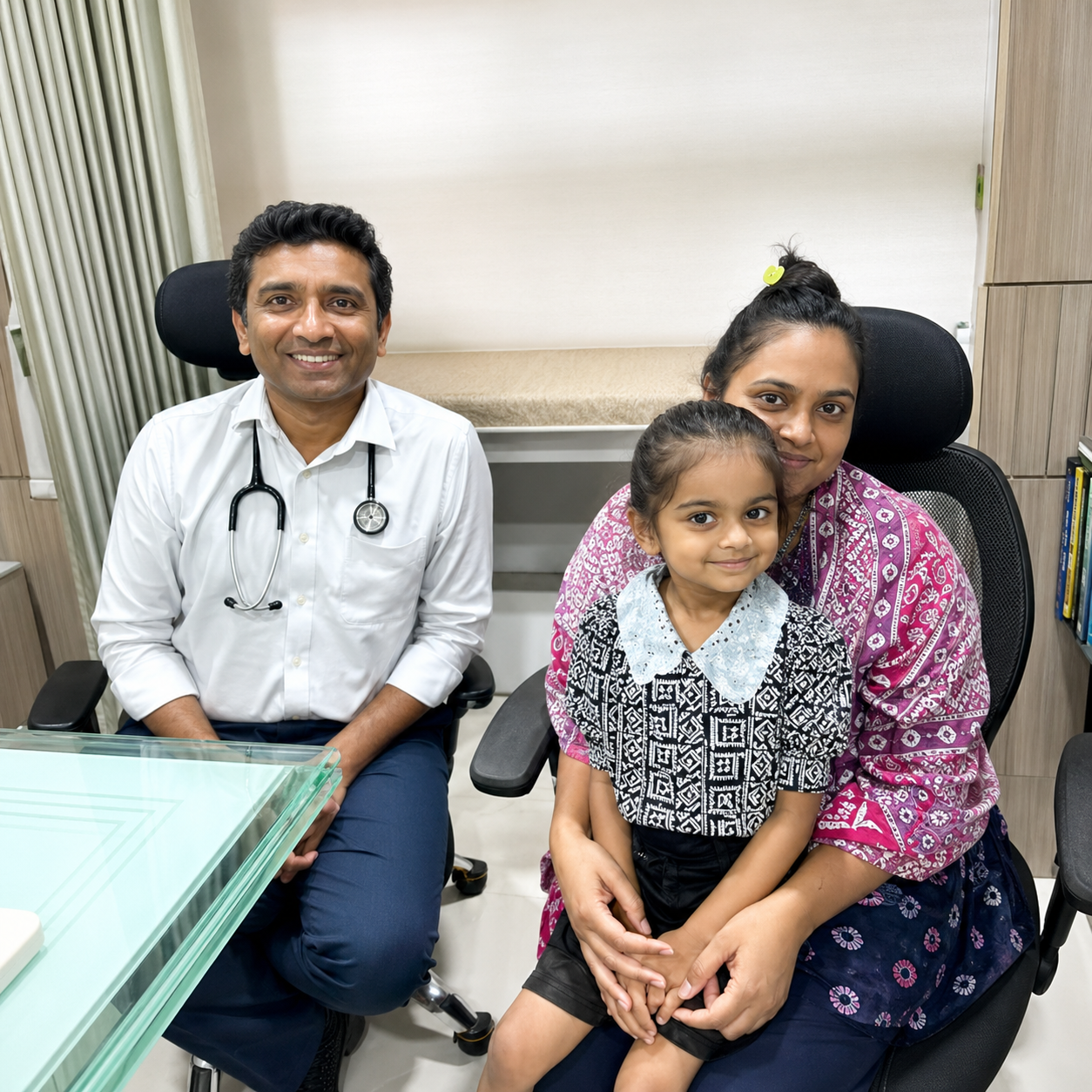
HIV specialist SCID-AI Surat
Dr. Pratik Savaj MBBS · DNB Medicine · Fellowship ID · FNB Infectious Diseases · P.D. Hinduja Hospital, Mumbai

Dr. Savaj provides comprehensive HIV care at SCID-AI, Nanpura, Surat — ART initiation, long-term monitoring, partner counselling, pre-conception planning, and mental health support. All consultations fully confidential. +91 72839 34807.

Common Questions

Frequently Asked Questions

Answered by Dr. Pratik Savaj, FNB Infectious Diseases, SCID-AI, Surat.

Do I have to tell my employer or colleagues that I have HIV?
No — you have no legal obligation to disclose your HIV status to your employer or colleagues in India. The HIV and AIDS (Prevention and Control) Act, 2017 explicitly prohibits discrimination in employment on the basis of HIV status. Key protections: employers cannot require HIV testing as a condition of employment, promotion, or continuation of service; employers cannot terminate employment, reduce salary, or change working conditions on the basis of HIV status; confidentiality of medical records, including HIV status, is protected by law. What this means in practice: you do not need to tell your manager, HR department, or colleagues. You do not need to disclose when applying for jobs. If your employer discriminates against you on the basis of HIV status, you have legal recourse under the 2017 Act. The only practical consideration: if you need time off for medical appointments (typically every 3–6 months at SCID-AI for monitoring), this can be managed as routine medical appointments without specifying the reason. Disclosure is your decision alone — made on your terms, to people you choose, when you are ready.
Does HIV affect how long I will live?
Modern HIV treatment has transformed life expectancy dramatically. A person who is diagnosed with HIV today, starts ART promptly, achieves viral suppression, and maintains good adherence can expect a life expectancy approaching that of an HIV-negative person of the same age and health status. The evidence: studies from Europe and North America show that a 20-year-old starting ART today has a projected life expectancy into their 70s — nearly the same as their HIV-negative peers. The factors that most affect life expectancy in HIV: Timing of diagnosis and ART start: people diagnosed late (CD4 below 200) have reduced life expectancy compared to those diagnosed early. Adherence to ART: consistent adherence is the single most important factor — viral suppression maintained over decades is life-normalising. Co-infections: untreated TB, HBV, or HCV co-infection significantly worsens outcomes. Non-HIV-related risks: smoking, diabetes, cardiovascular risk — HIV-positive individuals on ART have higher rates of cardiovascular disease due to ongoing immune activation and some older ART drugs. The practical conclusion: HIV is now a chronic manageable condition, not a terminal diagnosis. The goal of care at SCID-AI is not just survival — it is decades of healthy, functional life.
Do I need to disclose my HIV status to a partner before marriage?
This is one of the most sensitive and practically complex questions in HIV care in India, with both legal and ethical dimensions. The legal position: the HIV and AIDS (Prevention and Control) Act, 2017 does not explicitly require pre-marital disclosure. However, Section 39 of the Act states that a person who knows they are HIV positive must take precautions to prevent transmission — which in the context of a sexual relationship includes disclosure or consistent use of prevention measures. Indian courts have addressed HIV and marriage in individual cases, and rulings have varied. The practical and ethical reality: if you are on ART with an undetectable viral load (U=U), you cannot transmit HIV to your partner sexually — this fundamentally changes the ethical calculus compared to untreated HIV. Dr. Savaj’s approach: pre-marital counselling sessions at SCID-AI address disclosure planning, partner testing, PrEP for the HIV-negative partner, the science of U=U, and the legal framework — helping patients make an informed, supported decision about disclosure rather than facing it alone. The minimum recommendation: ensure your viral load is consistently undetectable and the HIV-negative partner is offered PrEP and regular testing. Disclosure is strongly encouraged — relationships built on medical honesty are more resilient.
What should I tell my doctor if I get sick with something unrelated to HIV?
This is practically important. Always inform any doctor, dentist, or healthcare provider that you are HIV positive and on ART. The reasons: Drug interactions: many common medications interact significantly with ART. Rifampicin (used for TB) dramatically reduces dolutegravir levels — requiring a dose adjustment. Carbamazepine, phenytoin, and other anticonvulsants reduce efavirenz levels. Statins, antifungals (fluconazole), and some antibiotics interact with various ART components. Infection susceptibility: if your CD4 is still recovering, your immune response to certain infections is different — which affects how aggressively illnesses are treated. Opportunistic infections: a chest infection in an HIV-positive person requires different thinking than in an HIV-negative person — PCP, TB, and fungal pneumonia must be considered alongside bacterial pneumonia. Anaesthesia: inform the anaesthetist before any surgery — ART is continued on the day of surgery and drug interactions with anaesthetic agents must be checked. Dental procedures: inform your dentist — not because of transmission risk (standard precautions are adequate) but because post-procedure antibiotic prescriptions must be checked for interactions with your ART. Dr. Savaj provides a standardised ART summary card for each patient at SCID-AI that can be shown to other healthcare providers.
Can I have children if I am HIV positive?
Yes — having children is possible and safe for HIV-positive individuals when managed correctly. This is one of the most important messages in HIV care, and one of the least communicated in India. For HIV-positive women wanting to become pregnant: with effective ART and an undetectable viral load, the risk of transmitting HIV to the baby is below 1%. Without ART, mother-to-child transmission (MTCT) is 25–40%. The intervention that prevents MTCT: ART throughout pregnancy (tenofovir + lamivudine + dolutegravir is safe in pregnancy); IV zidovudine during labour; nevirapine for the baby for 6 weeks after birth; and early infant testing at 6 weeks. For discordant couples (one HIV positive, one negative): if the HIV-positive partner is on ART with a consistently undetectable viral load, the risk of transmission to the HIV-negative partner during unprotected sex is zero — U=U (Undetectable = Untransmittable). The HIV-negative partner can also take PrEP as an additional layer of protection. At SCID-AI, Dr. Savaj provides pre-conception counselling for HIV-positive individuals and couples, coordinating ART optimisation before and during pregnancy.
What is U=U and does it apply to me?
U=U stands for Undetectable = Untransmittable — the scientifically established fact that a person living with HIV who is on effective ART and has a consistently undetectable viral load (below 200 copies/mL, typically below 50) cannot transmit HIV to a sexual partner. The evidence base: the PARTNER 1 and PARTNER 2 studies followed 972 serodiscordant couples (one HIV positive, one negative) over a combined 76,000 condom-less sex acts where the HIV-positive partner had an undetectable viral load. Zero HIV transmissions occurred from the undetectable partner. The Opposites Attract study in Asia-Pacific confirmed these findings. Does it apply to you? U=U applies when: you are on ART; your viral load has been consistently below 200 copies/mL (and ideally below 50, “undetectable”); you have been adherent with no missed doses; and this has been confirmed by at least two consecutive viral load tests 3–6 months apart. U=U does not protect against other sexually transmitted infections — condoms still protect against gonorrhoea, chlamydia, syphilis, herpes, and hepatitis B. At SCID-AI, Dr. Savaj discusses U=U with every patient on ART as part of the monitoring consultation.
Can I drink alcohol if I am on HIV medication?
Moderate alcohol consumption is not absolutely contraindicated on most first-line ART regimens, but there are important considerations specific to HIV care. Direct drug interactions: Tenofovir (TDF or TAF) and dolutegravir (DTG) — the standard first-line combination in India — have no major direct pharmacokinetic interaction with alcohol at moderate consumption levels. Indirect concerns that are clinically significant: Adherence: alcohol impairs judgement and routine, and is the most common reason for missed ART doses. Even one missed day of dolutegravir can allow viral replication. Liver: alcohol is hepatotoxic. In HIV-positive individuals, who have higher rates of hepatitis B and C co-infection, alcohol significantly accelerates liver fibrosis. All HIV-positive patients should be screened for HBV and HCV — and if co-infected, alcohol should be avoided entirely. Immune function: alcohol impairs immune function at the cellular level, independently of HIV. Heavy drinking accelerates CD4 decline and increases infection risk. Mental health: alcohol dependence is more common in people living with HIV and worsens depression and anxiety. The practical guidance at SCID-AI: occasional moderate alcohol (1–2 drinks) is not acutely dangerous for most patients on standard ART. Heavy or regular drinking is strongly discouraged. Never drink on a day when you might miss your ART dose.
Are there any restrictions on what I can eat on ART?
Modern first-line ART — particularly tenofovir/lamivudine/dolutegravir (TLD), the standard regimen in India — has minimal food restrictions. Dolutegravir (DTG): can be taken with or without food. However, calcium-rich foods and supplements, iron supplements, antacids, and multivitamins containing calcium, iron, or magnesium should be separated from dolutegravir by at least 2 hours — these minerals bind to DTG and reduce its absorption by up to 75%. This is a clinically significant interaction that many patients are not told about. Tenofovir (TDF or TAF): taken with or without food. No major food interactions. Older regimens containing efavirenz (EFV): should be taken on an empty stomach or with a light low-fat meal — high-fat meals significantly increase EFV absorption and can cause excessive side effects (vivid dreams, dizziness). Grapefruit: grapefruit juice inhibits CYP3A4 enzymes and can increase levels of some ART drugs unpredictably. Avoid if on PI-based regimens. General nutrition: a balanced diet supports immune recovery and reduces ART side effects. Malnutrition remains a significant co-factor in India — adequate caloric intake is as important as the drug itself.

Living With HIV? You Have the Right to a Full Life.

ART monitoring, partner counselling, pre-conception planning, U=U guidance — all fully confidential. Dr. Pratik Savaj, FNB Infectious Diseases, SCID-AI, Nanpura, Surat — no referral needed.

Dr. Pratik Savaj
Dr. Pratik Savaj FNB Infectious Diseases · SCID-AI, Surat
Morning11:00 AM – 1:00 PM, Mon–Sat
Evening4:00 PM – 6:00 PM, Mon–Sat
Phone+91 72839 34807
);document.body.style.overflow='';});}); })();