SCID-AI · 405 SNS Axis Business Space, Nanpura, Surat
Mon–Sat: 11–1 PM & 4–6 PM
Fever lasting 7 days SCID-AI Surat  Fever · SCID-AI Blog
Day 7 If fever has lasted 7 days without a confirmed diagnosis
it is no longer “viral fever” — it needs investigation today
 Fever · SCID-AI Blog

Fever Lasting 7+ Days in Surat — What It Means and What to Do Today

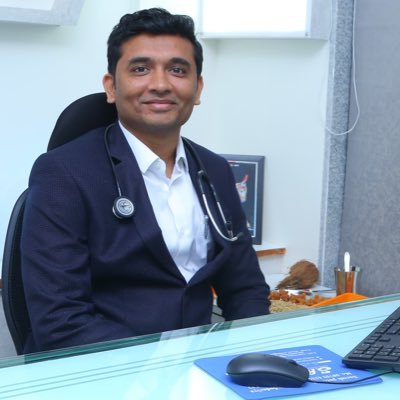
Dr. Pratik Savaj
Dr. Pratik SavajFNB Infectious Diseases · SCID-AI, Surat
A fever that lasts 7 days has not resolved by itself. Self-limiting viral illnesses — common cold, influenza, dengue — resolve within 5–10 days in most people. Fever that crosses 7 days without a confirmed diagnosis has either a different cause than assumed, or a complication of the original illness. Paracetamol is buying time. This article tells you what the most likely causes are in Surat, what warning signs mean go to emergency right now, and what to bring when you come to SCID-AI.

What Happens Day by Day — Why Day 7 Is the Threshold

Understanding the expected timeline of different fevers helps explain why day 7 is clinically significant. Every disease has a natural history — and when a fever does not follow the expected pattern, it signals something else is happening.

Day 1–3 Early
Viral most likely

Fever Begins — Viral Illness Most Likely

Most fevers in this window are self-limiting viral illnesses. Dengue: NS1 positive in this window — test on day 1. Malaria: blood smear + RDT on day 1 if Surat monsoon or travel to endemic area. If no specific cause found, supportive care and monitoring.

Day 4–5 Critical
Dengue critical phase

The Deceptive Improvement — Dengue Critical Phase

Dengue patients often feel “better” as fever drops on day 4–5. This is the critical phase — not recovery. Plasma leakage, bleeding risk, and dengue shock are highest here. Daily platelet count monitoring essential. Do not stop monitoring when fever drops. Typhoid: step-ladder fever still rising.

Day 6–7 Threshold
Not viral any more

The 7-Day Threshold — This Is No Longer “Viral Fever”

Self-limiting viral illnesses resolve by day 7 in most patients. Fever persisting at day 7 without a confirmed diagnosis is not viral fever — it is an undiagnosed condition. The three most common causes at this threshold in Surat: typhoid (blood culture), TB (GeneXpert), undrained infection. Come to SCID-AI today.

Day 8–14 Urgent
Systematic workup needed

Weeks 2 — Formal Fever of Unknown Origin Territory

Fever beyond 10–14 days without diagnosis approaches FUO criteria. The workup expands: IGRA + GeneXpert for TB; blood culture ×2; HIV test; inflammatory markers; HRCT chest; echocardiogram if murmur. Do not add another antibiotic. Add a culture and a specialist.

Day 21+ FUO
Formal FUO protocol

Fever of Unknown Origin — Staged Investigation

Formally meets FUO criteria (fever >38.3°C, >3 weeks, no diagnosis after initial investigation). Non-infectious causes now more prominent: lymphoma, connective tissue disease, HLH. PET-CT, bone marrow biopsy, and specialist-directed second-line workup.

The Most Likely Causes in Surat — Ranked by Probability

In Surat, the probability of each cause varies by season, patient demographics, and clinical features. This ranking is for an adult with 7+ days of fever, no confirmed diagnosis, in or after the monsoon season.

#1

Typhoid Fever (Enteric Fever)

Step-ladder fever rising daily. Relative bradycardia. Abdominal pain. Eaten from outside food sources.

Blood Culture
#2

Tuberculosis

Cough 2+ weeks + weight loss + night sweats. Evening fever. Any age, any social background.

GeneXpert + IGRA
#3

Malaria (Plasmodium vivax)

Cyclical rigors every 48 hours. Travel to rural Gujarat, monsoon exposure. Cold–hot–sweat pattern.

Blood Smear + RDT
#4

Dengue (Late / Prolonged)

Persistent fever or secondary dengue with slow platelet recovery. Check NS1 + IgM + platelet trend.

NS1 + IgM + CBC
#5

Infective Endocarditis

New or changing heart murmur. Fever + joint pain + embolic signs. IV drug use or dental procedure.

Blood Culture ×3 + Echo
#6

HIV (Acute or Advanced)

Possible exposure 2–6 weeks ago. Rash, lymphadenopathy, mouth ulcers with fever.

4th-gen HIV Ag/Ab
#7

Lymphoma or Other Malignancy

Firm painless lymph nodes. Weight loss >10%. Fever + night sweats + weight loss (B symptoms).

LDH + Ferritin + FNAC
#8

Drug Fever or Inflammatory Cause

Fever started after a new medication. Fever responds to NSAIDs but not antibiotics. Multi-system features.

Review all medications
7 day fever workup SCID-AI Surat
At SCID-AI, every patient with 7+ days of fever has blood culture sent before any antibiotic change, TB excluded with GeneXpert + IGRA, and HIV tested — simultaneously at the first visit, not sequentially over weeks.

Warning Signs — Go to Emergency Right Now

These signs mean the clinical situation has deteriorated and requires emergency department assessment immediately — not a clinic appointment, not a phone call first. If any of the following develop, go directly to the nearest emergency department.

Any Bleeding

Bleeding from nose, gums, red spots on skin (petechiae), blood in urine or stool — dengue haemorrhage or serious coagulopathy.

Confusion or Altered Consciousness

Confusion, drowsiness, slurred speech — cerebral malaria, encephalitis, septic encephalopathy. Do not wait.

Rapid or Difficult Breathing

Respiratory rate >25/min, difficulty breathing, oxygen saturation below 94% — pneumonia, PCP, sepsis.

Cold Clammy Skin + Rapid Pulse

Signs of shock: cold extremities, rapid weak pulse, low blood pressure — dengue shock, septic shock. Immediate IV access needed.

Temperature Above 40°C

Hyperpyrexia despite paracetamol — risk of direct cellular damage, febrile seizure, organ dysfunction.

Severe Abdominal Pain

Typhoid perforation, liver abscess, peritonitis — surgical emergency. Board-like abdomen, rebound tenderness.

Antibiotic fever mistake SCID-AI Surat
Three courses of antibiotics for a fever that hasn’t resolved is not treatment — it is a 3-week delay in diagnosis. Each course without culture makes the next culture less reliable.

The Most Dangerous Mistake — Another Antibiotic

The most common response to a fever that hasn’t resolved after 5–7 days is to add another antibiotic or switch to a stronger one. This is the most dangerous single error in management of persistent fever.

Each antibiotic course without a culture: sterilises the blood before the next culture can identify the organism; suppresses secondary bacterial infections while the primary cause (TB, lymphoma, viral infection) continues; selects for resistant organisms; and creates a false sense of “doing something.” The correct response to a fever that hasn’t resolved is culture, not escalation.

The Rule at SCID-AI

Blood culture is sent before any antibiotic is started or changed. No exceptions. Once an antibiotic has been given, the diagnostic window closes. Culture before treatment is not a preference — it is a clinical standard.

What to Bring to SCID-AI — Make the First Visit Count

A thorough history is 80% of the diagnosis. Bring everything you have so the first visit produces a plan, not just more questions.

Medical Documents

All previous blood test reports — even “normal” ones. CBC, CRP, LFT, dengue reports.
Any culture results with sensitivity data if available
All prescription slips — every antibiotic taken, dose, and duration
Imaging reports: X-ray, ultrasound, CT if done
Previous doctor consultation notes if available

Your Fever History

Exact date fever started — not “about a week ago”, the specific date
Fever pattern: is it constant, step-ladder, or coming in cycles?
Temperature readings with time of day if you have them
All associated symptoms: cough, weight loss, rash, joint pain, night sweats
Travel history: any travel in the last 3 months outside Surat

Exposure History

Household TB contact: anyone at home with cough or diagnosed TB
Food sources: street food, outside water, undercooked food (typhoid risk)
Mosquito exposure: standing water at home, travel to rural areas
Animal exposure: livestock, dogs (brucellosis, leptospira risk)
Flood water exposure: monsoon flooding (leptospirosis risk)

Current Status

All current medications: including supplements, traditional medicine, OTC drugs
Known medical conditions: diabetes, HIV status, immunosuppressive drugs
Weight loss estimate: how many kg in the last 4–8 weeks
Urine colour: dark urine suggests liver involvement or dehydration
Platelet count trend if dengue was suspected and CBCs were done
Persistent fever specialist SCID-AI Surat Dr Savaj
At SCID-AI: staged workup starting with the most common and treatable causes. Blood culture before any antibiotic. TB and HIV excluded at the first visit. A plan by the end of consultation — not a referral to another doctor.

What Happens at SCID-AI — Your First Visit

At SCID-AI, Dr. Pratik Savaj takes a structured approach to 7+ day fever. The consultation covers: full exposure and symptom history; clinical examination focusing on lymph nodes, liver, spleen, heart sounds, and skin; and a targeted investigation plan ordered at the same visit.

What you will leave with after the first visit: a specific test plan (blood culture before any antibiotics, IGRA, CBC, CRP, LFT); a working differential diagnosis with the most likely cause; a clear management plan including what to take and what to avoid; and a follow-up appointment within 48–72 hours when culture and test results return.

No Referral Needed — Come Directly

You do not need a referral to see Dr. Savaj at SCID-AI. Walk in during clinic hours or call +91 72839 34807 to confirm availability. SCID-AI is a specialist infectious disease clinic — persistent fever without a diagnosis is exactly the type of case that belongs here, not at another general practitioner who will add a fourth antibiotic.

The 7-Day Fever Rule

Fever beyond 7 days without a confirmed diagnosis is not “viral fever.” It is an undiagnosed condition that requires systematic evaluation. The answer is culture and investigation — not another antibiotic course. In Surat, typhoid and TB are the most commonly missed diagnoses. Both are curable. Both require specific tests that are only available if you come before the diagnostic window closes.
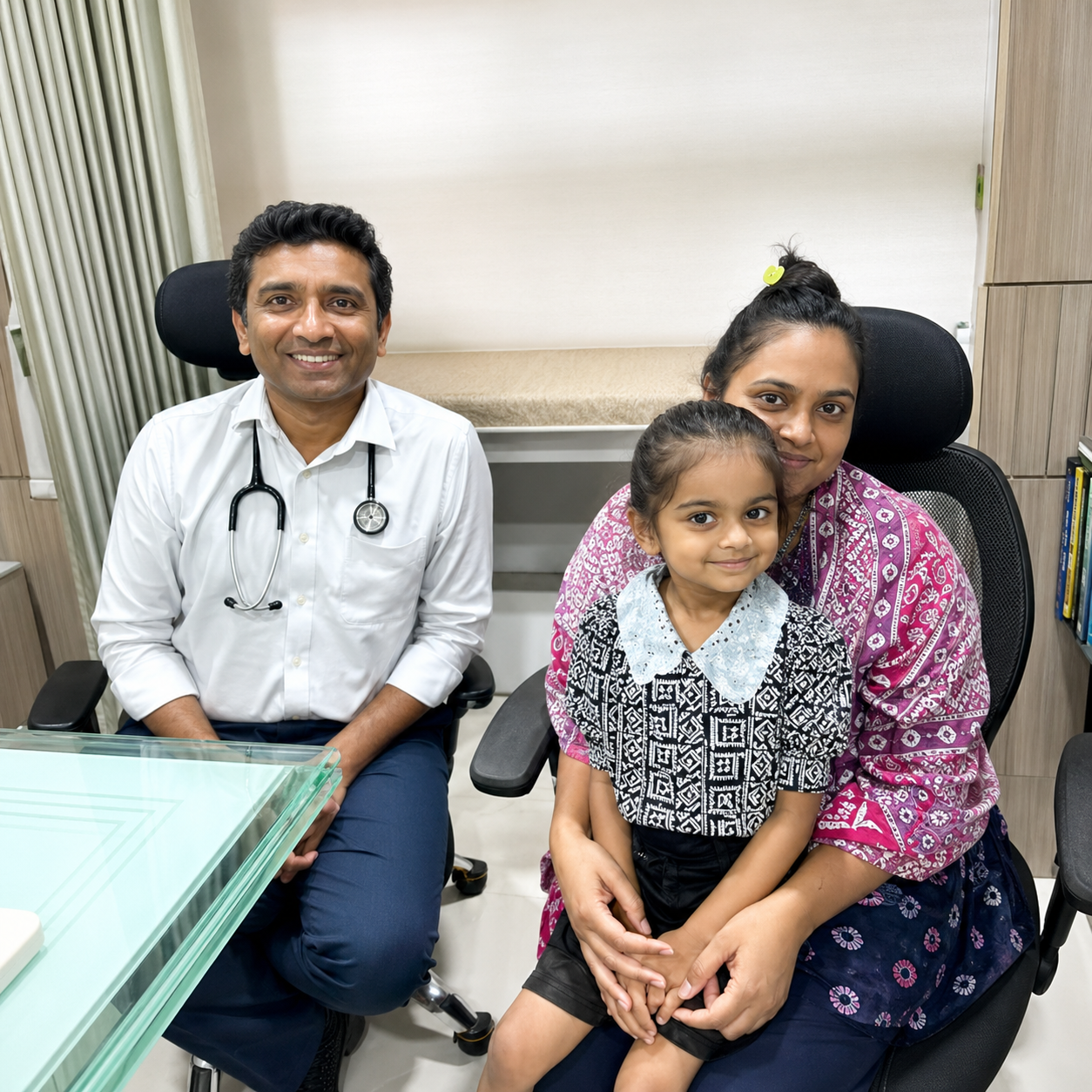
Dr. Pratik Savaj SCID-AI Surat
Dr. Pratik Savaj MBBS · DNB Medicine · Fellowship ID · FNB Infectious Diseases · P.D. Hinduja Hospital, Mumbai

Dr. Savaj evaluates persistent fever and FUO at SCID-AI, Nanpura, Surat. Blood culture before every antibiotic change. TB and HIV excluded at the first visit. No referral needed. +91 72839 34807.

Common Questions

Frequently Asked Questions

Answered by Dr. Pratik Savaj, FNB Infectious Diseases, SCID-AI, Surat.

Is it safe to take paracetamol every day for 7+ days of fever?
Paracetamol (acetaminophen) is safe for short-term fever management when taken at the correct dose — 500–1,000mg every 6–8 hours, not exceeding 4,000mg per day in healthy adults. However, using paracetamol to control fever for 7 or more days without investigating the cause carries a different concern: you are masking a symptom without treating the underlying disease. The fever will return when the paracetamol effect wears off, and the pattern of fever (step-ladder, cyclical, continuous) — which is a diagnostic clue — becomes harder to assess. Paracetamol dose reduction in liver disease: patients with liver disease should use the lowest effective dose (500mg) and not exceed 2,000mg/day. Alcohol combined with paracetamol increases hepatotoxicity risk. Never use ibuprofen or aspirin for fever lasting more than a few days in Surat without excluding dengue — these drugs increase bleeding risk in dengue thrombocytopenia. The correct approach after 7 days of fever: paracetamol for comfort, but come to SCID-AI for investigation. The drug is buying time — it is not treatment.
Can I travel or go to work with a 7-day fever?
This depends entirely on what is causing the fever — which is exactly why diagnosis matters. However, some general principles apply regardless of cause: If you have not been diagnosed: you should not assume your fever is non-infectious. TB, typhoid, and dengue are all transmissible. Going to a crowded workplace without a diagnosis risks spreading disease to colleagues. If your fever is from typhoid: Salmonella typhi is shed in faeces. Without hand hygiene compliance, you are a transmission risk to household contacts and anyone who handles your food. If your fever is from dengue: dengue itself is not directly person-to-person transmissible, but you are a viraemic reservoir — if a mosquito bites you and then bites someone else in the office, you have contributed to the transmission chain. If your fever is from TB: you should not be in crowded spaces until you have been assessed and, if infectious TB is suspected, appropriate precautions taken. From a personal safety standpoint: fever exceeding 38.5°C with fatigue, headache, and bodyache impairs judgement and concentration. Travelling and working while febrile — especially in Surat’s heat — risks dehydration and clinical deterioration. Rest, hydration, and investigation are the correct priorities.
Should I go to an emergency room or can I wait for a clinic appointment?
This depends on whether any warning signs are present. If any of the following are present, go to the emergency department immediately — do not wait for an appointment: Danger signs requiring immediate emergency care: severe abdominal pain (liver abscess, typhoid perforation); any bleeding — from the nose, gums, skin rashes (dengue haemorrhage); difficulty breathing or rapid breathing; confusion, altered consciousness, or seizures (cerebral malaria, severe infection); skin that is cold, clammy, or pale with rapid pulse (shock); temperature above 40°C despite paracetamol; inability to drink fluids due to vomiting. Warning signs for same-day appointment at SCID-AI: fever beyond 7 days without a confirmed diagnosis; fever that returned after a period of apparent improvement; fever with significant weight loss; fever with new lymphadenopathy; fever in a pregnant woman; fever in a diabetic patient; fever with very low or falling platelet count. Routine appointment but within 24–48 hours: fever lasting 5–7 days with no danger signs, during Surat monsoon, where dengue and typhoid need to be excluded. When in doubt: call SCID-AI at +91 72839 34807 and describe symptoms — Dr. Savaj’s team will advise on urgency.
Can fever itself be dangerous, or is it just a symptom?
Fever itself — as a physiological response — is generally protective and not dangerous at temperatures below 41°C. The fever response evolved to help the immune system fight infection: elevated temperature impairs pathogen replication, activates immune cells, and accelerates immune signalling. Suppressing moderate fever with antipyretics may actually prolong the illness in some infections by removing this protective advantage. However, there are situations where fever itself becomes dangerous: Hyperpyrexia (>41°C): temperatures above 41°C can cause direct cellular damage, denaturation of proteins, and neurological injury. This is a medical emergency. Febrile seizures: children aged 6 months to 5 years are at risk of febrile seizures with rapid temperature rises — particularly in the 38.5–39.5°C range. Pregnancy: sustained fever above 38.5°C in the first trimester carries risk of neural tube defects. Fever in any stage of pregnancy requires prompt assessment. Cardiac patients: fever increases heart rate and cardiac demand, which can precipitate cardiac events in patients with underlying heart disease. The practical rule for Surat: fever below 40°C — treat for comfort, investigate the cause. Fever above 40°C or fever with any danger signs — emergency department immediately.
My fever comes and goes — does that mean it's getting better?
Not necessarily — and this is one of the most dangerous misinterpretations in self-managed fever. The pattern of fever fluctuation has specific clinical meaning and must not be confused with improvement. Cyclical fever: fever that comes and goes every 48 or 72 hours is the classic pattern of malaria. The cycles correspond to the parasite’s replication cycle. Apparent improvement between spikes is not recovery — it is the inter-paroxysmal period. Dengue critical phase: dengue fever typically drops on days 4–6 — this temperature drop can be misread as improvement. It is not. It marks the beginning of the critical phase when plasma leakage, bleeding risk, and dengue shock syndrome are most likely. Patients who feel “better” on day 5 of dengue and stop monitoring are at greatest risk. Typhoid: typhoid fever rises progressively over the first week and then plateaus — the plateau is not improvement, it is the sustained bacteraemic phase. The rule: fever that comes and goes over 7+ days is not resolving — it has a pattern that requires identification. Come to SCID-AI with a description of the fever pattern.
What does it mean if antibiotics didn't help my 7-day fever?
Failure to respond to antibiotics after 5–7 days is a critical clinical signal that requires systematic reassessment — not a switch to a different antibiotic. The possible explanations: 1. The fever is not bacterial. Viral infections (dengue, HIV, EBV, CMV, viral hepatitis) do not respond to antibiotics — antibiotics have no effect on viruses. If an antibiotic was given for a fever that turned out to be dengue, it will not work. 2. The fever is TB. TB does not respond to standard antibiotics. A cough plus 7-day fever that failed amoxicillin or azithromycin is TB until GeneXpert is negative. 3. The organism is resistant. Fluoroquinolone-resistant typhoid (common in Surat) will not respond to ciprofloxacin. Azithromycin or cefixime is required. 4. There is an undrained focus of infection. A liver abscess, empyema, or deep-seated abscess cannot be treated with antibiotics alone — it needs drainage. 5. The diagnosis is non-infectious. Lymphoma, SLE, and adult-onset Still’s disease all present with prolonged fever and will not respond to any antibiotic. Never take a third or fourth antibiotic for the same fever. Come to SCID-AI for culture-guided reassessment.
How much water should I drink during a fever?
Fever significantly increases fluid loss through sweating and elevated metabolic rate. Adequate hydration is one of the most important supportive measures — but the correct amount and type of fluid depends on the clinical situation. General fluid guidance for fever: adults with fever should aim for 2.5–3.5 litres of fluid per day, increasing by approximately 500ml for every degree of fever above 38°C. What to drink: water; ORS (oral rehydration solution) — particularly if there is any vomiting or diarrhoea; coconut water; diluted fruit juices; clear soups. What to avoid: alcohol (dehydrating and hepatotoxic in febrile illness); caffeinated drinks in excess; sugary carbonated drinks. Signs of adequate hydration: urine should be pale yellow and passed at least every 4–6 hours. Dark urine, dry mouth, and dizziness on standing are signs of dehydration. Dengue-specific: dengue management guidelines recommend oral hydration with ORS to maintain urine output — excess intravenous fluids worsen dengue plasma leakage. Oral hydration is preferred unless the patient cannot drink. When to seek emergency IV hydration: inability to retain oral fluids due to persistent vomiting; urine output significantly reduced; clinical signs of dehydration with ongoing fever.
What is the fastest way to bring fever down at home before seeing a doctor?
Effective fever management at home while waiting for a medical appointment: Paracetamol: 500–1,000mg every 6 hours (not more than 4,000mg/day). The most effective and safest fever-lowering drug. Takes 30–45 minutes to begin working. Do not use ibuprofen, aspirin, or Combiflam if dengue is possible (monsoon season in Surat, or any fever where dengue has not been excluded) — these increase bleeding risk in dengue. Tepid sponging: sponging the forehead, armpits, and groin with room-temperature water (not ice cold) helps cool the body surface. Cold water causes vasoconstriction and may paradoxically worsen internal temperature. Light, breathable clothing: do not bundle up in blankets. Allow the body to radiate heat. Loose, thin clothing is best. Adequate hydration: 2.5–3 litres per day — ORS if any vomiting or diarrhoea. Rest: physical activity raises body temperature and increases fluid loss. Rest in a cool, ventilated room. What does NOT work: rubbing alcohol on the skin (toxic fumes, absorbed through skin); ice packs directly on skin (skin damage); alternating ibuprofen and paracetamol without medical guidance. These home measures control symptoms — they do not treat the cause. Come to SCID-AI within 24 hours if fever has lasted 7+ days.

Fever Beyond 7 Days? Come Today.

Not another antibiotic. Blood culture before treatment. TB and HIV excluded at the first visit. Dr. Pratik Savaj, FNB Infectious Diseases, SCID-AI, Nanpura, Surat — no referral needed.

Dr. Pratik Savaj
Dr. Pratik Savaj FNB Infectious Diseases · SCID-AI, Surat
Morning11:00 AM – 1:00 PM, Mon–Sat
Evening4:00 PM – 6:00 PM, Mon–Sat
Phone+91 72839 34807
);document.body.style.overflow='';});}); })();