U=U — The Most Important Thing to Know
Before anything else about living with HIV, one fact must be understood completely. It changes how you think about relationships, disclosure, and your future.
Undetectable = Untransmittable
A person living with HIV who is on effective ART and has a consistently undetectable viral load cannot transmit HIV to a sexual partner. This is not a claim — it is established science from the PARTNER 1, PARTNER 2, and Opposites Attract studies: zero transmissions from 76,000+ condom-less sex acts where the HIV-positive partner was undetectable.
Source: PARTNER Studies (Rodger et al., JAMA 2019) · Opposites Attract (Bavinton et al., Lancet HIV 2018)
What U=U Means for Your Life
If your viral load is undetectable: you cannot transmit HIV to a sexual partner; you can have unprotected sex with a partner who is HIV-negative without transmitting HIV to them; you can have biological children without transmitting HIV if viral load is suppressed and obstetric precautions are taken. U=U does not protect against other STIs — condoms still protect against gonorrhoea, chlamydia, syphilis, and herpes.
HIV in Daily Life — What Changes and What Doesn’t
Most aspects of daily life are unchanged by HIV when it is well-managed. The areas where some consideration is needed are manageable with straightforward guidance.
Relationships & Marriage
With undetectable viral load (U=U), sexual transmission risk is zero. You can have a fully intimate relationship. Disclosure is a personal decision — but relationships built on honesty are more resilient. Your HIV-negative partner can take PrEP as an additional protection layer if they choose. At IID Hospital, pre-marital counselling sessions address disclosure, partner testing, and U=U science.
Work & Career
You have no legal obligation to disclose HIV status to an employer under the HIV and AIDS (Prevention and Control) Act, 2017. HIV-positive status cannot be used for termination, non-promotion, or salary reduction. ART is taken once daily — a single tablet that fits into any routine. Clinic appointments are every 3–6 months, manageable as routine medical appointments.
Family & Children
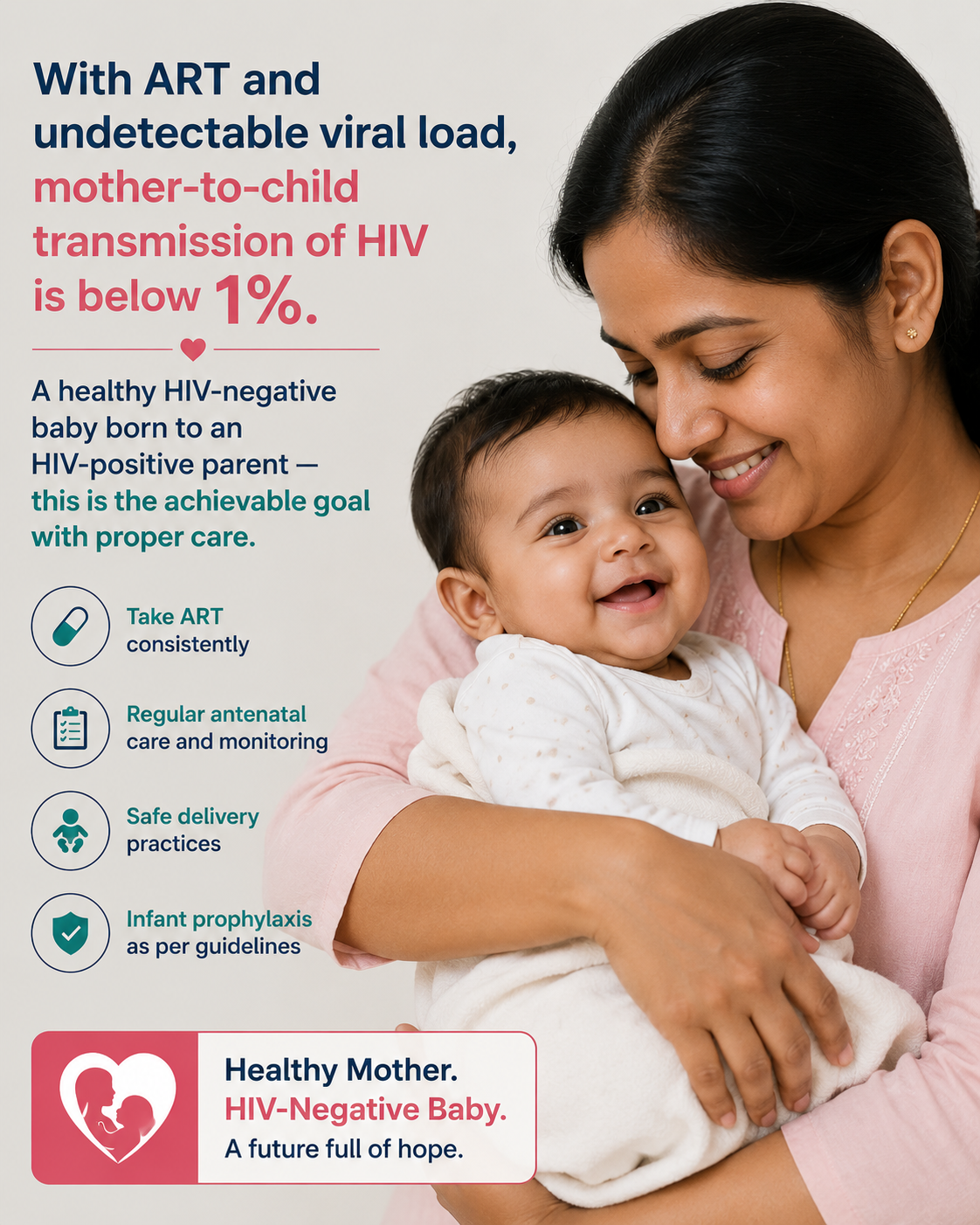
HIV-positive individuals can have biological children safely. With ART and undetectable viral load, mother-to-child transmission is below 1%. HIV-positive fathers do not transmit HIV through conception when viral load is suppressed. At IID Hospital, pre-conception counselling optimises ART regimen for pregnancy and plans the HBIG + birth-dose protocol for the baby.
Travel
People living with HIV can travel freely within India. International travel requires advance planning: carry enough ART for the entire trip plus 2 extra weeks; carry a doctor’s letter listing medications; check destination country’s entry requirements (some countries still have HIV-related entry restrictions). Dr. Savaj provides travel letters and pre-travel consultation for HIV-positive travellers.
Exercise & Sport
There are no physical activity restrictions for people on ART with good viral suppression. Exercise is beneficial — it improves cardiovascular health, mental wellbeing, and immune function. Competitive sport at any level is permitted. Some ART drugs (particularly older regimens) cause mild fatigue early on — this resolves as the body adjusts. Tell your trainer only if you choose to.
Mental Health & Stigma
Stigma is the most damaging aspect of HIV in India — not the virus. Depression and anxiety are more common in HIV-positive individuals and are as important to treat as the virus itself. IID Hospital connects patients with counselling support. Peer support groups, psychological counselling, and if needed, antidepressant therapy — all are part of comprehensive HIV care.
Taking ART Every Day — Building the Routine
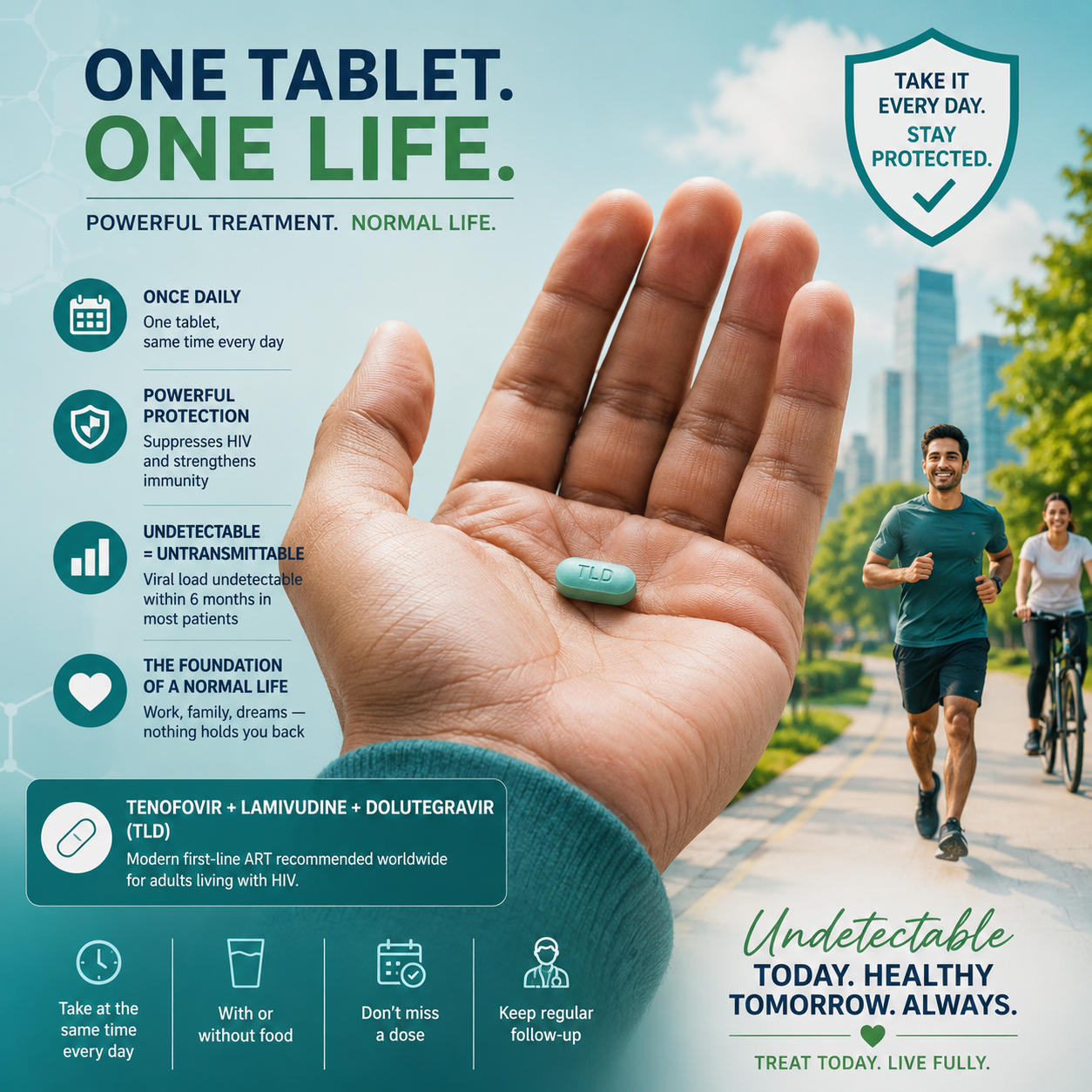
Adherence is the single most important determinant of long-term outcome in HIV. The goal: take your ART at the same time every day, every day, indefinitely. Missing even occasional doses allows viral replication, which risks resistance development and immune damage. Modern ART is far more forgiving than older regimens — but consistency is still non-negotiable.
| Situation | What to Do | What NOT to Do |
|---|---|---|
| Missed one dose | Take it as soon as remembered (same day). Continue normal schedule tomorrow. | Double dose the next day. This can increase side effects. |
| Vomiting within 1 hour of dose | Retake the dose — it likely was not absorbed. | Assume it was absorbed and skip. You may have an unprotected period. |
| Travel across time zones | Keep to home-time schedule or adjust gradually by 1–2 hours per day. | Skip doses because of confusion about timing. |
| Feeling well and wanting a 'break' | Continue every day. Feeling well is the result of the drug — not a sign you can stop. | Stop ART. Viral rebound begins within days. Resistance risk follows. |
| Taking other medications | Inform Dr. Savaj before starting any new drug — interaction check is mandatory. | Start antibiotics, antifungals, or TB drugs without checking ART interaction. |
| Calcium/iron supplements | Separate from dolutegravir by at least 2 hours (before or after). | Take calcium or iron at the same time as dolutegravir (reduces absorption 75%). |
| Alcohol | Occasional moderate alcohol is tolerable. Never drink on a day you might miss your dose. | Heavy drinking. Worsens adherence, liver health, and mental wellbeing. |
Disclosure — Who, When, and How
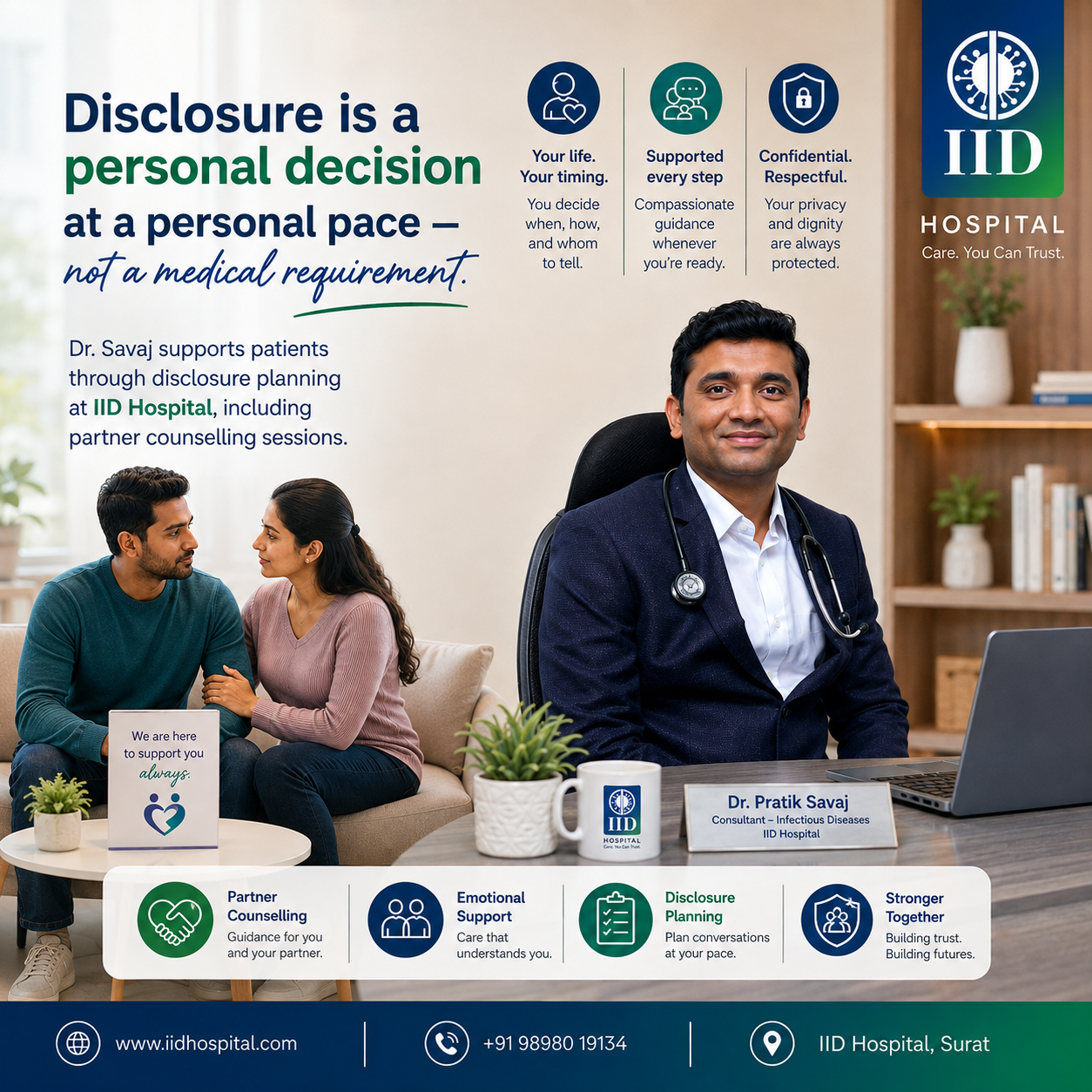
Disclosure of HIV status is deeply personal and the decision belongs entirely to the individual. There is no universal right answer — only the answer that works for each person’s specific relationships, safety, and circumstances.
The minimum clinical recommendation: sexual partners should be informed or alternative protection used — because sexual partners have a right to make their own healthcare decisions. With U=U and undetectable viral load, the transmission risk is zero — but the partner may still want to be tested, start PrEP, or make their own informed choices.
Disclosure Support at IID Hospital
Dr. Savaj offers partner counselling sessions — a structured consultation where you and your partner meet with Dr. Savaj together. This is the safest way to disclose: medically accurate information, questions answered in real time, and a private, non-judgmental space. The session covers U=U, partner testing, PrEP, and the science of HIV management.
Your Legal Rights as a Person Living with HIV in India
The HIV and AIDS (Prevention and Control) Act, 2017 provides significant legal protections for people living with HIV in India. These rights are enforceable — and knowing them is part of living confidently with HIV.
Right to Confidentiality
Your HIV status is protected medical information. No healthcare provider, employer, or institution can disclose it without your written consent.
Right Against Discrimination
Employers cannot terminate, demote, or alter conditions of employment on the basis of HIV status. Educational institutions cannot deny admission.
Right to Healthcare
No healthcare provider or institution can refuse treatment on the basis of HIV status. Refusal of healthcare is a violation of the 2017 Act.
Right to Informed Consent
HIV testing requires your informed consent. Testing without consent — including mandatory pre-employment testing — is prohibited.
Right to Insurance
Insurance companies cannot deny health or life insurance solely on the basis of HIV-positive status under the 2017 Act.
Right to Legal Redress
Violations of any of the above rights can be reported to the HIV/AIDS Ombudsman appointed by the state government under the 2017 Act.
Having Children — A Complete Guide
Having biological children is possible and safe for HIV-positive individuals. The route to a healthy baby requires planning and specialist coordination — but the outcome, when managed well, is a healthy HIV-negative child born to a healthy parent.
Long-Term Monitoring — What to Expect at Each Visit
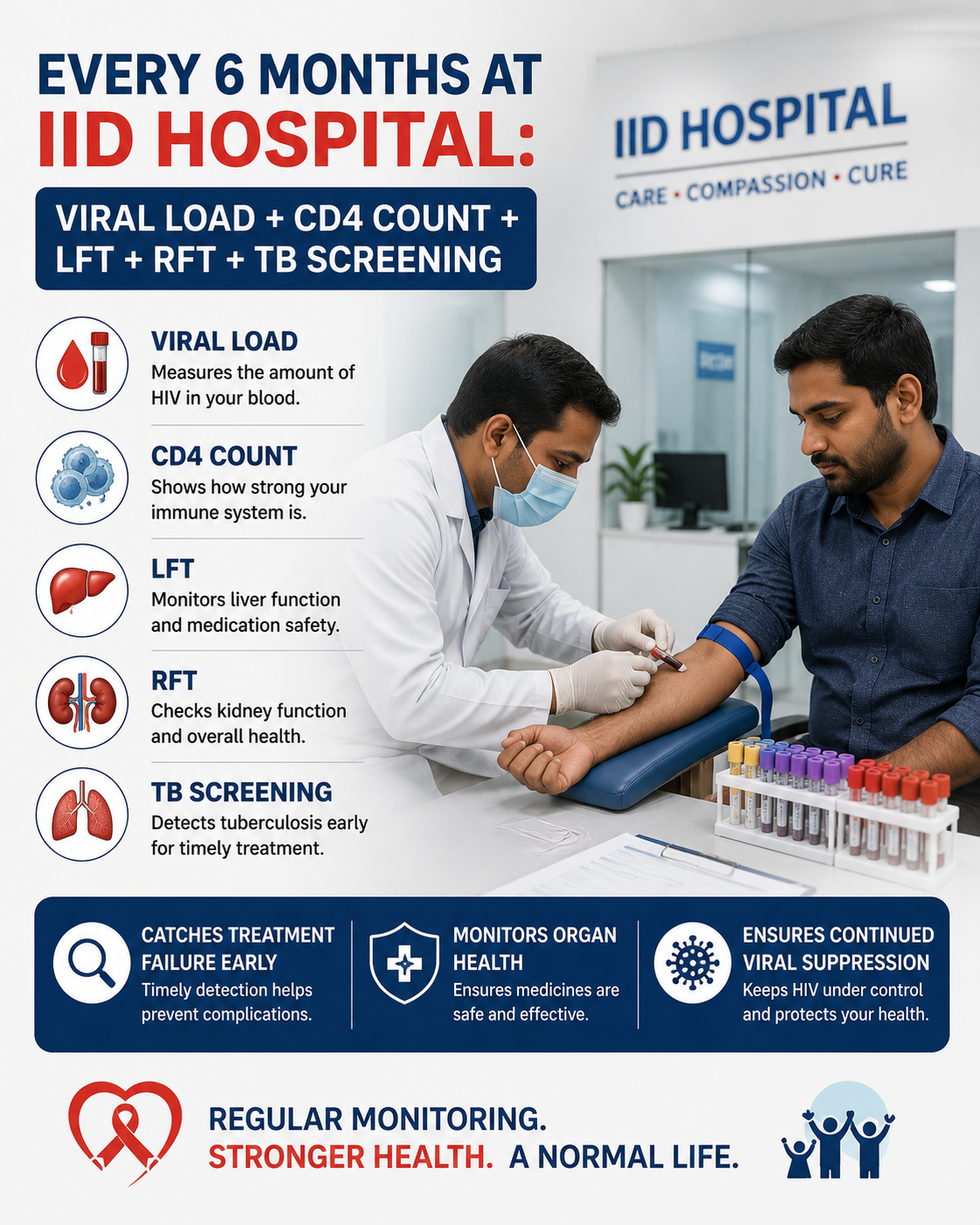
Living well with HIV means a relationship with IID Hospital every 3–6 months — not because things are going wrong, but because consistent monitoring catches any change early. After the first year of stable ART, visits become less frequent and shorter.
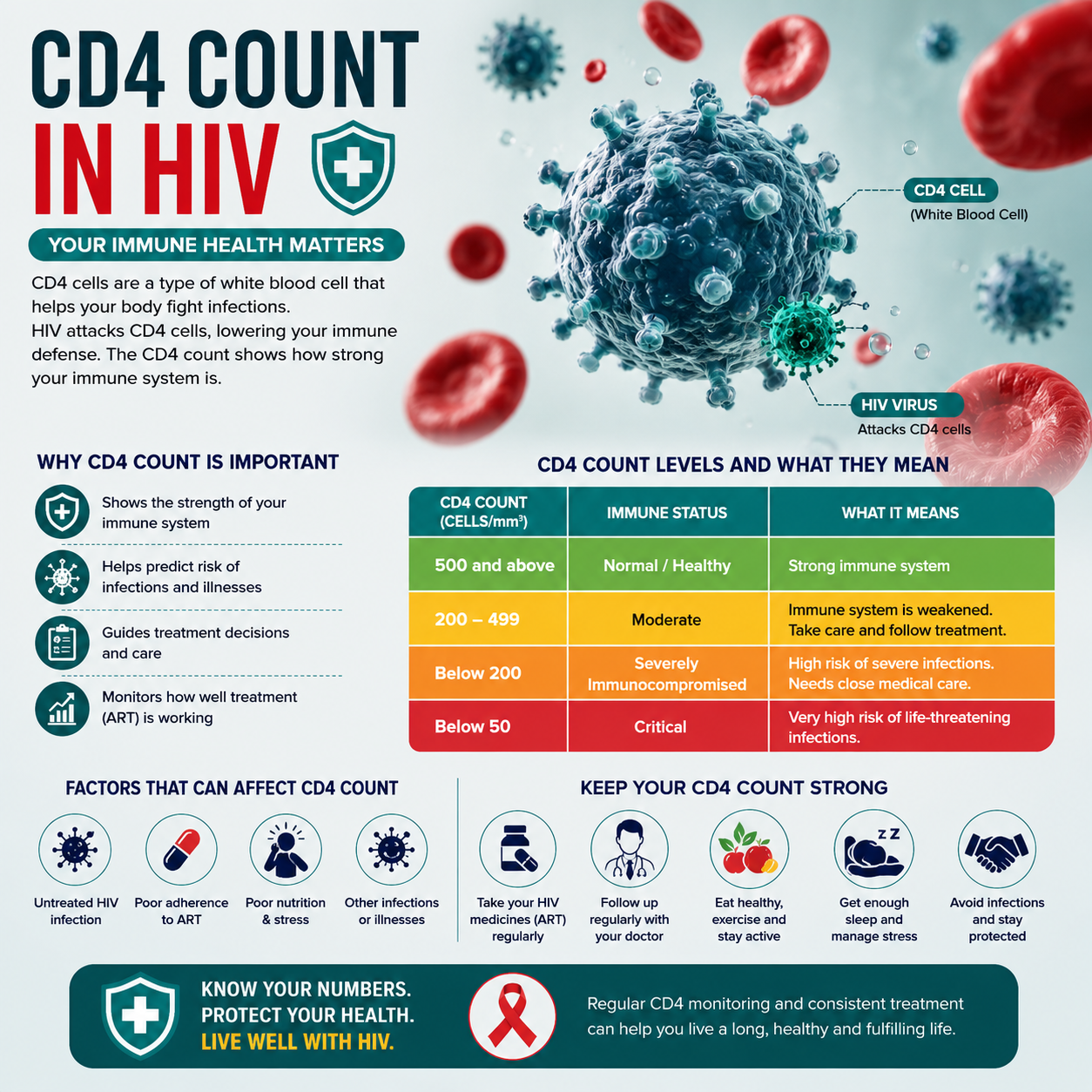
At each monitoring visit: viral load (the most important number — should be undetectable); CD4 count (tracked annually when stable); liver and kidney function (ART safety monitoring); TB symptom screen and IGRA if indicated; STI screen if relevant; and a brief mental health check-in. The goal of every visit is the same: undetectable viral load, stable CD4, good adherence, and good quality of life.
All HIV Consultations at IID Hospital Are Fully Confidential
Your HIV status, viral load, and every aspect of your consultation at IID Hospital is fully confidential. It is never shared with family members, employers, insurance companies, or any other party without your explicit written consent. The consultation room is private. Your medical records are protected. No aspect of your care leaves IID Hospital without your permission.
The Living With HIV Rule
HIV is a chronic manageable condition — not a terminal diagnosis. One tablet, once a day, every day. Undetectable viral load within 6 months. Life expectancy approaching normal. Zero sexual transmission risk with U=U. You can work, marry, have children, travel, and live fully. The diagnosis is the beginning of treatment — not the end of life.