SCID-AI · 405 SNS Axis Business Space, Nanpura, Surat
Mon–Sat: 11–1 PM & 4–6 PM
TB symptoms Surat SCID-AI  TB · SCID-AI Blog
2.8M New TB cases in India every year
 Tuberculosis · SCID-AI Blog

TB Symptoms — When a Cough Is More Than a Cough

Dr. Pratik Savaj
Dr. Pratik SavajFNB Infectious Diseases · SCID-AI, Surat
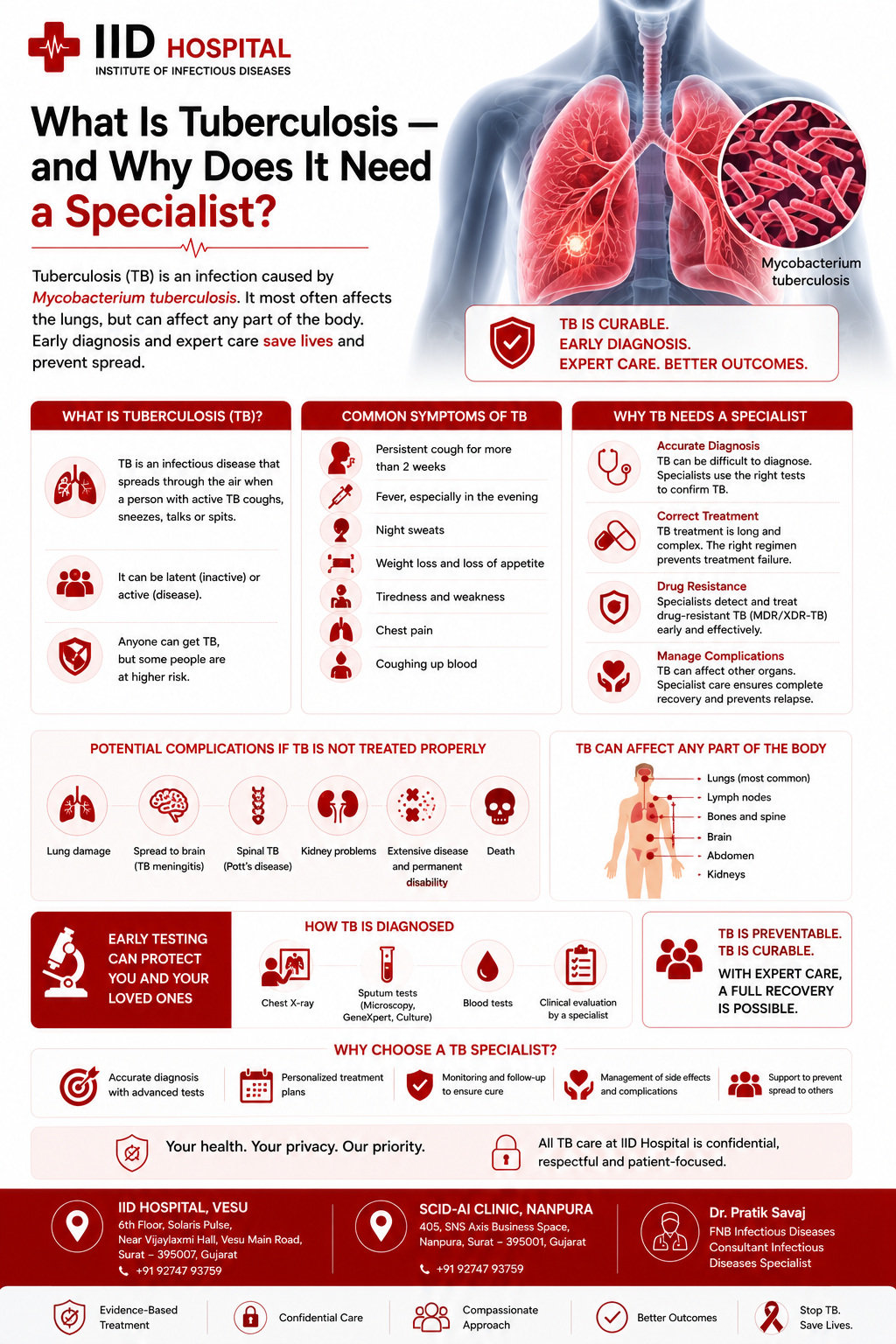
In India, tuberculosis is the infectious disease that doctors most commonly dismiss and patients most commonly delay seeking care for. The average TB patient in India waits 2–3 months after symptom onset before seeing a specialist. During that time, they are infectious, their lung tissue is being destroyed, and the bacteria are multiplying. This article describes what TB symptoms actually look like — and why every cough lasting more than 2–3 weeks in Surat requires a GeneXpert, not another course of antibiotics.

Why TB Symptoms Are So Often Missed

Tuberculosis is caused by Mycobacterium tuberculosis — a slow-growing bacterium that replicates over weeks, not hours. This slow growth is the fundamental reason TB symptoms develop insidiously: no single day is dramatically different from the day before. The patient and their family attribute the cough to dust, the weight loss to stress, the night sweats to the heat. By the time the pattern becomes undeniable, months have passed.

In India, this delay is compounded by three factors. First, TB carries social stigma — patients fear that a TB diagnosis will affect their marriage, employment, and social standing. Second, antibiotics are widely available over the counter — patients self-treat cough with amoxicillin or azithromycin, which briefly suppresses secondary bacterial infections but has no effect on TB. The partial improvement reinforces the belief that this is “just a cough.” Third, primary care doctors without chest or ID training may not order GeneXpert as a first-line test, instead treating empirically for months.

The 2–3 Week Rule

Any cough lasting more than 2–3 weeks in India — especially in someone who has been exposed to TB, has HIV, has uncontrolled diabetes, or lives in crowded housing — should be assumed to be TB until GeneXpert is negative. This is not excessive caution: it is the correct clinical threshold given India’s TB burden of 2.8 million new cases per year.

The 7 Symptoms of Tuberculosis

Pulmonary TB — affecting the lungs — is the most common form and the most infectious. Its symptoms are listed below in the order they typically develop. No single symptom is required to be present, and extrapulmonary TB (affecting organs other than the lungs) can present without any respiratory symptoms at all.

01

Chronic Cough Most Common

Present in over 90% of pulmonary TB cases. The defining feature is duration: the cough of TB does not resolve. It may be dry at first, then become productive. Patients often describe it as “a cough that never fully went away.” If cough lasts more than 2–3 weeks despite basic treatment, send GeneXpert immediately.

02

Blood in Sputum (Haemoptysis) Serious Signal

Present in approximately 20–30% of pulmonary TB cases. May range from blood-streaked sputum to frank bright red blood. Any haemoptysis requires urgent investigation. While TB is not the only cause (bronchiectasis, lung cancer), it is the most important to exclude in India. Never attribute haemoptysis to a “burst blood vessel from coughing” without a chest investigation.

03

Night Sweats Constitutional — Key Clue

Drenching night sweats — soaking the clothes and sheets — present in 50–70% of active TB cases. Distinct from normal sweating: the patient wakes up wet. Often dismissed as “the heat” in Surat’s climate. Night sweats alongside chronic cough and weight loss is the classic TB triad. Their presence dramatically raises TB probability.

04

Unexplained Weight Loss Constitutional — Key Clue

Present in 60–80% of cases. The weight loss of TB is a wasting process — driven by the chronic inflammatory response and the bacteria’s metabolic demands on the host. Typically 5–10 kg over 2–3 months. Weight loss + cough + night sweats = TB until proven otherwise. Many patients notice their clothes fitting differently before they notice the weight loss consciously.

05

Persistent Low-Grade Fever Constitutional

Evening fever — temperature rising in the late afternoon and evening — is a classic TB feature, present in 40–60% of cases. The fever is often not dramatically high (37.5–38.5°C) and may not be noticed by the patient as “real” fever. They describe feeling “hot” or “feverish” in the evenings. This pattern distinguishes TB from acute bacterial infections which cause sudden high fever.

06

Chest Pain and Breathlessness Lung Involvement

Chest pain — usually pleuritic (worsened by breathing) — present in 20–30%. Indicates pleural involvement (TB pleuritis). Breathlessness suggests significant lung parenchymal involvement, pleural effusion, or both. In a young patient in India with breathlessness + chest pain + no clear cardiac cause: TB and its complications must be excluded.

07

Fatigue and Loss of Appetite Constitutional

Profound fatigue — disproportionate to the level of fever — present in 50–70% of cases. Loss of appetite compounds the weight loss. Patients describe inability to do their usual work, sleeping more than usual, and feeling exhausted despite doing little. This combination — fatigue + anorexia + weight loss — without an obvious cause is TB until excluded.
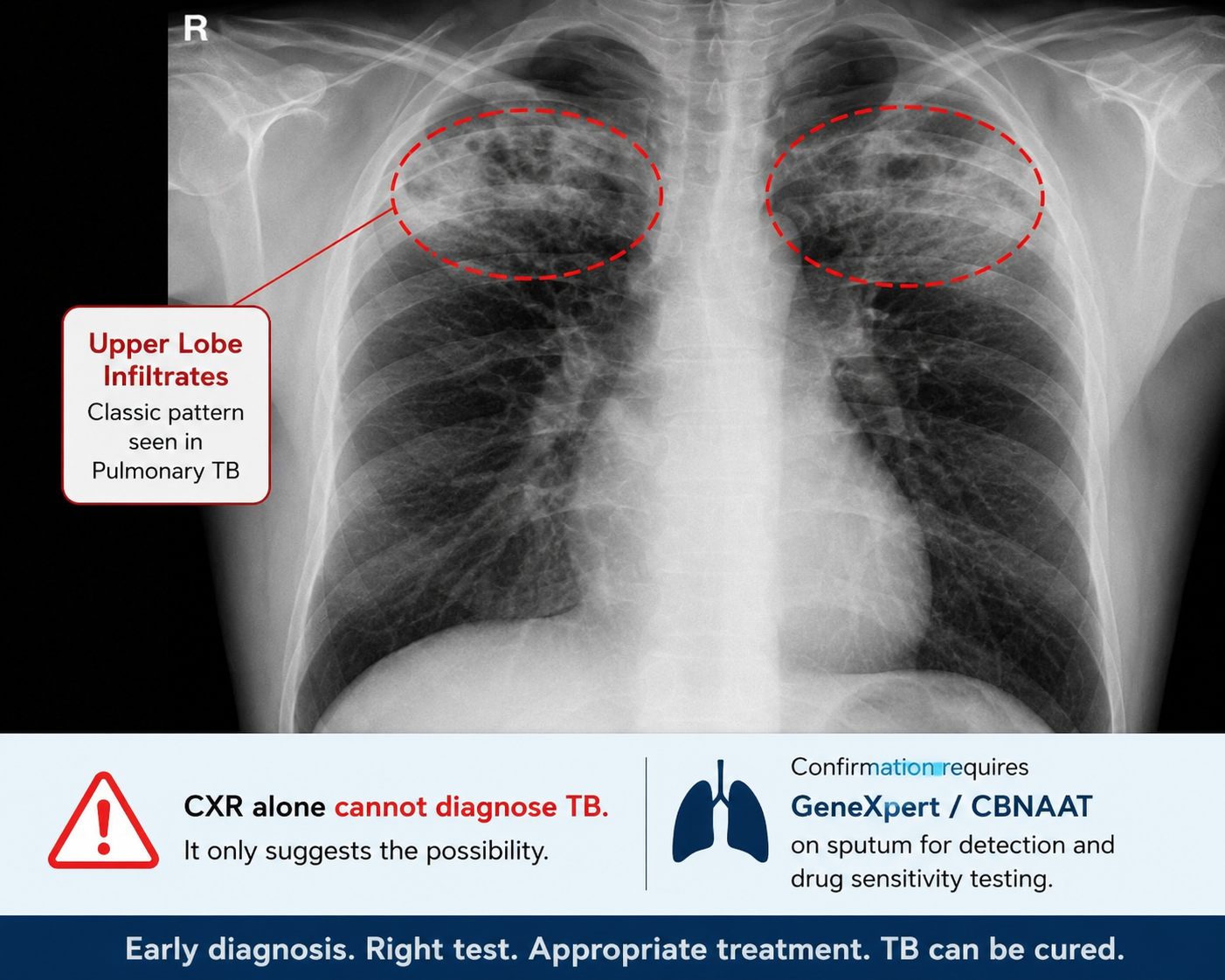
Chest X-ray TB Surat SCID-AI
Chest X-ray showing upper lobe infiltrates — a classic pattern in pulmonary TB. CXR alone cannot diagnose TB; GeneXpert on sputum or CBNAAT is required for confirmation and drug sensitivity testing.

Extrapulmonary TB — When TB Has No Cough

Approximately 15–20% of TB cases in India are extrapulmonary — affecting organs other than the lungs. In HIV-positive patients, this proportion is much higher (40–60%). Extrapulmonary TB presents without cough or respiratory symptoms and is frequently missed because TB is not in the clinician’s differential when there is no chest involvement.

Pulmonary TB — Lungs (80–85%)

The most common and infectious form. Cavitary disease in the upper lobes is classic. Spreads through the air — infectious droplet nuclei produced by coughing. Symptoms: chronic cough + haemoptysis + night sweats + weight loss. GeneXpert on sputum. RNTCP 6-month regimen.

Lymph Node TB (Scrofula) — Most Common Extrapulmonary

Painless, firm, matted cervical lymph nodes — typically neck and supraclavicular. May ulcerate and discharge. Often the only sign of TB in the patient. Biopsy + GeneXpert on node material. Can occur with or without pulmonary TB.

Miliary TB — Disseminated

TB spreading through the bloodstream to multiple organs simultaneously. Very high mortality if not treated promptly. Fever + weight loss + no localising signs. Classic CXR: fine miliary nodules throughout both lung fields. More common in immunocompromised patients. Requires urgent diagnosis.

TB Meningitis — Neurological

Most serious form of extrapulmonary TB. Fever + headache + neck stiffness + confusion. High mortality and permanent neurological sequelae even with treatment. CSF analysis + GeneXpert on CSF. Requires prolonged treatment including steroids. Misdiagnosed as viral meningitis without TB testing.
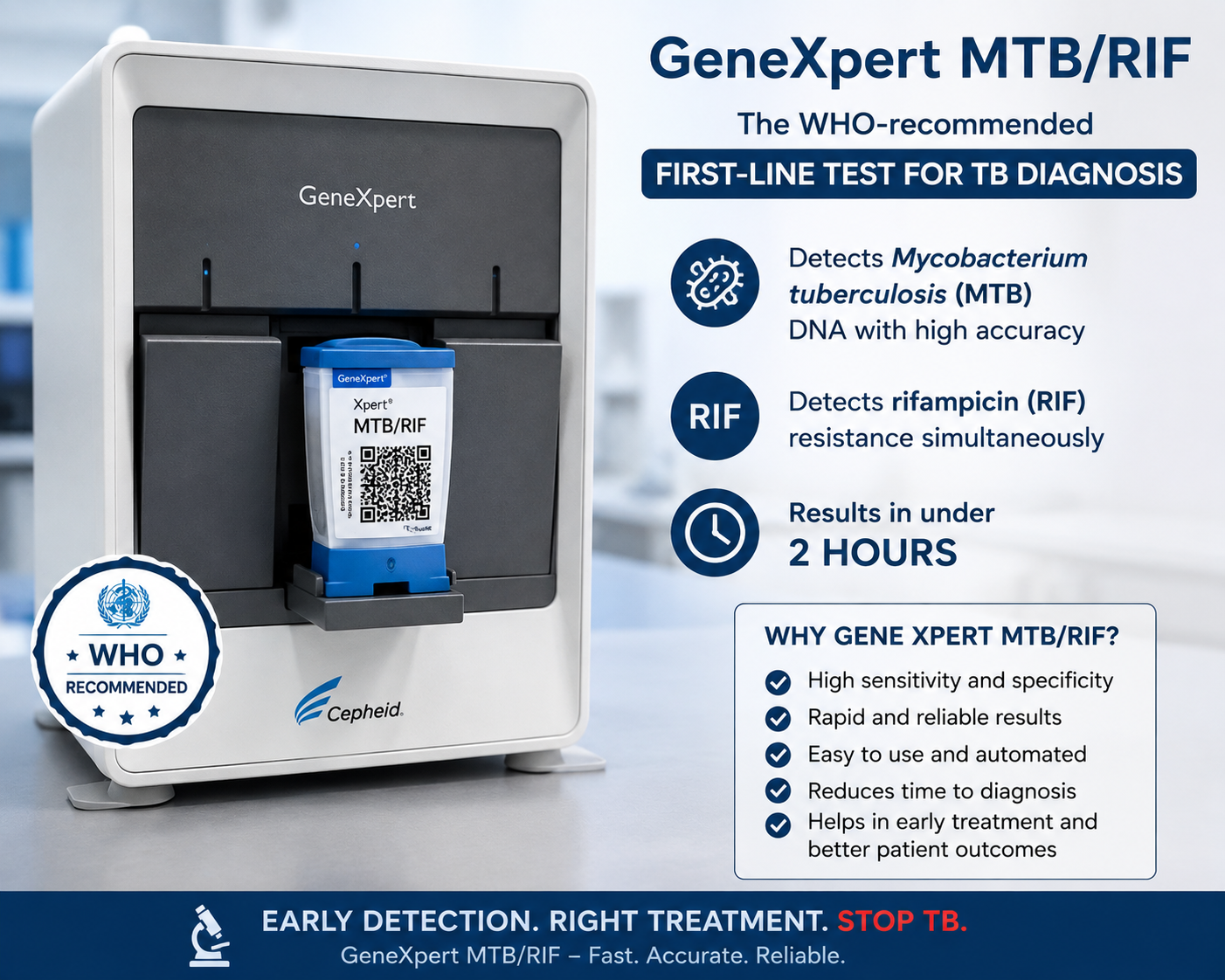
GeneXpert TB diagnosis SCID-AI Surat
GeneXpert MTB/RIF — the WHO-recommended first-line test for TB diagnosis. Detects TB and rifampicin resistance simultaneously in under 2 hours.

The Correct Test for TB — Not a Chest X-Ray

The most common diagnostic error in TB in India: relying on chest X-ray to exclude TB. A chest X-ray can be entirely normal in early pulmonary TB and in extrapulmonary TB. A normal CXR does not exclude TB.

The correct first-line test is GeneXpert MTB/RIF (CBNAAT) on sputum — a WHO-recommended molecular assay that detects TB DNA and tests for rifampicin resistance simultaneously in under 2 hours. GeneXpert changed TB diagnosis because it is far more sensitive than sputum smear microscopy and provides drug resistance information that guides treatment.

1
First-line — All suspected cases

GeneXpert MTB/RIF on sputum

3 sputum samples — spot, early morning, spot — maximise sensitivity. GeneXpert detects TB DNA and tests for rifampicin resistance simultaneously. Sensitivity 88–89% for smear-positive TB, 67–72% for smear-negative. A negative GeneXpert in a strongly suspected case does not exclude TB.

2
Imaging — All cases

HRCT Chest (not CXR alone)

High-resolution CT chest is far more sensitive than CXR for early TB, pleural disease, and mediastinal lymph nodes. Upper lobe infiltrates + cavities on CXR suggest active TB. HRCT detects tree-in-bud pattern, micro-nodules, and lymphadenopathy that CXR misses. Order HRCT if CXR is normal but clinical suspicion is high.

3
Immune testing — Latent TB and contact investigation

IGRA (Interferon-Gamma Release Assay)

QuantiFERON-TB Gold or T-SPOT: detects immune sensitisation to TB antigens. Positive IGRA indicates exposure to TB (latent infection) but does not confirm active disease. Used for: household contact investigation; screening immunocompromised patients; TB in healthcare workers. A positive IGRA + clinical symptoms = high suspicion for active TB.

4
Drug resistance — All GeneXpert-positive cases

Drug Sensitivity Testing (DST)

GeneXpert detects rifampicin resistance only. Full DST (culture + sensitivity) tests for all first and second-line drugs. MDR-TB (resistant to isoniazid + rifampicin) requires different treatment regimen. XDR-TB (resistant to fluoroquinolones in addition) requires specialist management. Never treat TB without knowing the drug sensitivity pattern.

5
HIV testing — All TB patients

HIV test: mandatory in every TB workup

TB and HIV are the deadliest co-infection. HIV-positive patients have 20–30× higher risk of developing active TB. TB accelerates HIV progression. Every patient diagnosed with TB must have an HIV test. HIV-positive TB patients require ART initiation within 2 weeks of starting TB treatment and cotrimoxazole prophylaxis.

Who Is at Highest Risk for TB in Surat?

TB is not random. Risk is concentrated in specific groups who share identifiable biological, social, or environmental factors. Knowing which groups are highest risk allows targeted screening and contact investigation.
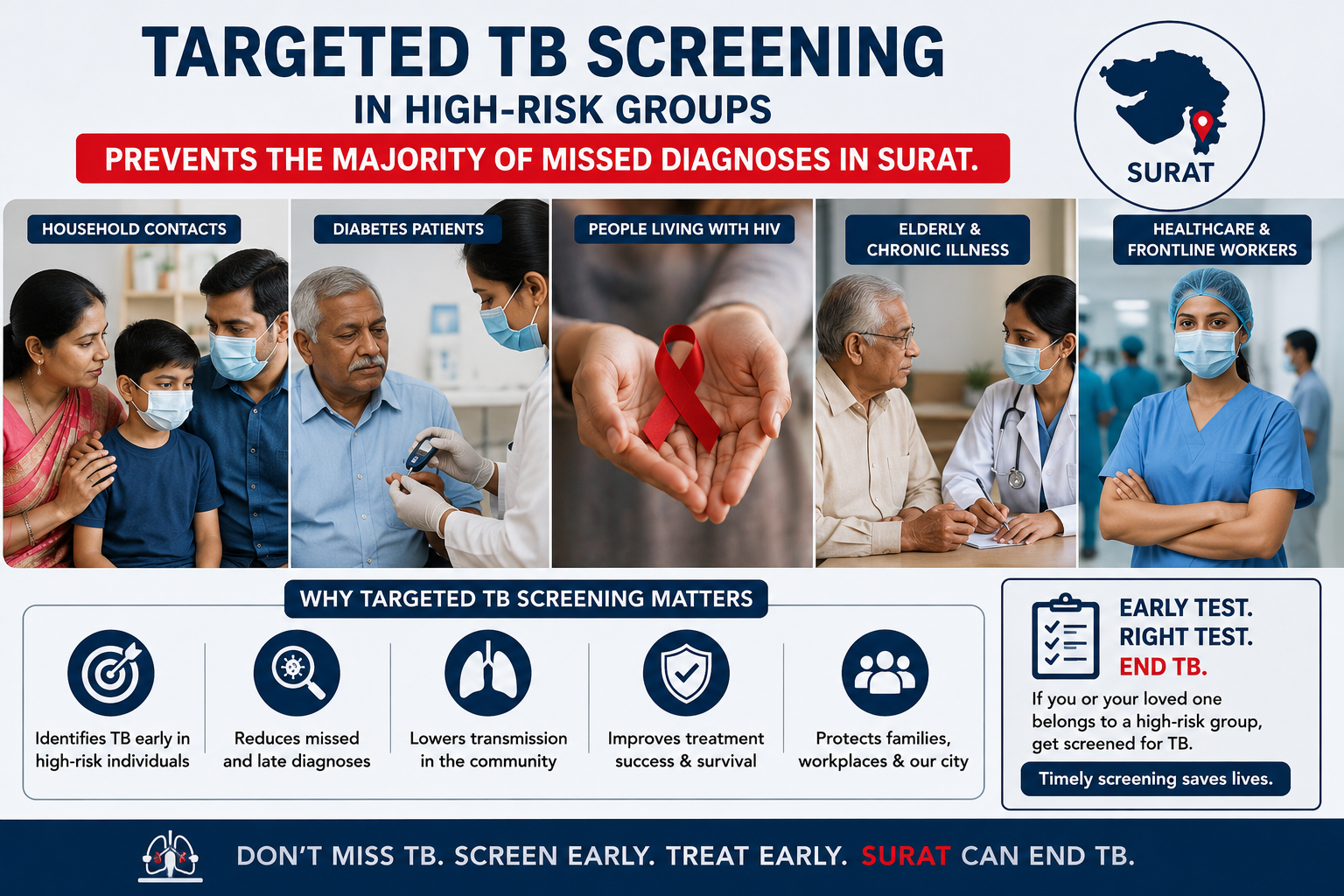
TB risk groups SCID-AI Surat
Targeted TB screening in high-risk groups prevents the majority of missed diagnoses in Surat.

HIV-Positive Individuals

20–30× higher risk of developing active TB. TB is the leading cause of death in HIV-positive individuals globally. Annual TB screening mandatory.

Uncontrolled Diabetics

Diabetes impairs cellular immunity. 2–3× higher TB risk. Poor glucose control is the single most important modifiable TB risk factor in India.

Household TB Contacts

5–10× higher risk than general population. All household members of a TB patient must be screened. Children under 5 must receive IPT if IGRA positive.

Immunosuppressed Patients

On steroids, biologicals (TNF inhibitors), or post-transplant. TB screening before starting immunosuppression is mandatory.

Healthcare Workers

Occupational exposure to TB patients. Annual screening with IGRA. Prompt investigation of any respiratory symptoms lasting more than 2 weeks.

Crowded Living Conditions

TB spreads through shared indoor air. Crowded housing, dormitories, and prisons dramatically increase transmission risk. Ventilation is the primary environmental control.

TB Is Curable — But Only With the Right Treatment

Standard drug-sensitive TB is cured with a 6-month regimen under the Revised National TB Control Programme (RNTCP): 2 months of HRZE (isoniazid + rifampicin + pyrazinamide + ethambutol) followed by 4 months of HR (isoniazid + rifampicin). Treatment success rates exceed 90% when taken correctly and completely.

The critical failure mode: patients stop treatment when they feel better — typically after 2–3 months — before the 6-month course is complete. The bacteria that survive this incomplete treatment are disproportionately those with natural resistance — and the patient relapses with MDR-TB. This is the single most important cause of drug-resistant TB in India.

MDR-TB (resistant to both isoniazid and rifampicin) requires 18–24 months of treatment with second-line injectable agents. XDR-TB is even harder to treat. Both are preventable by completing the standard 6-month regimen. At SCID-AI, every TB patient is monitored monthly for treatment adherence, side effects, and smear conversion.

Contact Investigation: The Neglected Step

When Dr. Savaj diagnoses TB at SCID-AI, the next step is always household contact investigation. All household members are evaluated — IGRA + CXR for adults; clinical assessment + IGRA for children. Contacts with positive IGRA and no active disease receive isoniazid preventive therapy (IPT) — which reduces TB reactivation risk by 60–90%. This step is consistently neglected in standard care and is one of the most important interventions in TB control.

The Clinical Rule in Surat

In a city with India’s highest TB burden: cough lasting more than 2–3 weeks is TB until GeneXpert is negative. Night sweats + weight loss + cough is the classic triad. A normal chest X-ray does not exclude TB. Three courses of antibiotics for a cough that does not resolve is not “treatment” — it is a 3-month delay in diagnosis. Come to SCID-AI for GeneXpert, not another antibiotic.
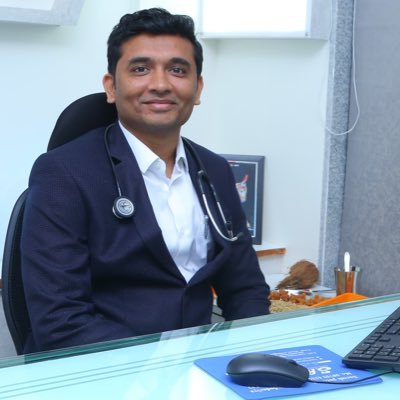
TB consultation SCID-AI Surat
Dr. Pratik Savaj MBBS · DNB Medicine · Fellowship ID · FNB Infectious Diseases · P.D. Hinduja Hospital, Mumbai

Dr. Savaj provides GeneXpert-based TB diagnosis, drug sensitivity testing, MDR-TB management, and household contact investigation at SCID-AI, Nanpura, Surat. TB consultations: +91 72839 34807.

Common Questions

Frequently Asked Questions

Answered by Dr. Pratik Savaj, FNB Infectious Diseases, SCID-AI, Surat.

Is TB contagious? Can I get it from being in the same room as a TB patient?
TB spreads through droplet nuclei — tiny airborne particles expelled when a person with active pulmonary TB coughs, sneezes, talks, or even breathes. These particles can remain suspended in the air for hours in a closed, poorly ventilated space. The risk of transmission depends on: duration of exposure (brief encounters carry low risk; prolonged household or workplace contact carries significant risk); ventilation (open windows dramatically reduce risk by diluting infectious particles); infectiousness of the source patient (sputum-smear-positive TB is more infectious than smear-negative). TB is NOT spread through: sharing utensils or food; touching a TB patient; kissing or hugging (though these increase exposure duration); mosquitoes or other insects. Good ventilation — open windows — is the single most effective environmental measure to prevent TB transmission.
What is MDR-TB and how is it different from regular TB?
MDR-TB (Multidrug-Resistant TB) is TB caused by bacteria resistant to both isoniazid and rifampicin — the two most effective first-line TB drugs. XDR-TB (Extensively Drug-Resistant TB) is additionally resistant to fluoroquinolones. MDR-TB in Surat is no longer rare — it is an established clinical reality, driven primarily by incomplete treatment of drug-sensitive TB. Differences from regular TB: Treatment duration: 18–24 months vs 6 months. Drugs used: second-line agents including bedaquiline, delamanid, linezolid — more expensive and more toxic. Outcome: cure rates 50–70% vs 90%+ for drug-sensitive TB. At SCID-AI, Dr. Savaj performs drug sensitivity testing on all TB patients and manages MDR-TB cases with the current WHO-recommended shorter MDR regimen.
Does the BCG vaccine protect against TB?
BCG (Bacille Calmette-Guérin) vaccine provides significant protection against severe forms of childhood TB — particularly TB meningitis and miliary (disseminated) TB in young children. It is given at birth in India under the national immunisation programme. However, BCG has variable and incomplete efficacy against pulmonary TB in adults — the form most relevant to TB control in India. Studies show BCG efficacy against adult pulmonary TB ranges from 0–80% depending on the population. BCG vaccination does not mean you cannot get TB. Adults with BCG scars who are exposed to TB, have HIV, have diabetes, or are on immunosuppression still need TB screening. BCG vaccination also affects IGRA interpretation — a positive IGRA in a BCG-vaccinated adult still indicates significant TB exposure and requires further evaluation.
Can I work and go about my normal life while on TB treatment?
In most cases, yes — after the first 2 weeks of treatment. The first 2 weeks are the most infectious period — sputum smear typically converts to negative within 2 weeks of starting effective treatment, dramatically reducing infectiousness. After 2 weeks of treatment with clinical improvement, most patients with pulmonary TB can return to work and normal activities, with precautions: wear a surgical mask in crowded enclosed spaces; ensure workplaces have adequate ventilation (open windows); avoid prolonged close contact with young children, HIV-positive individuals, or immunocompromised people until sputum converts to negative. Patients with MDR-TB require a longer period of confirmed negative sputum before returning to work. Dr. Savaj will provide specific guidance on return to work based on smear and GeneXpert results.
How long does TB treatment take and can I stop when I feel better?
Standard drug-sensitive TB treatment takes exactly 6 months — and every single dose must be taken. The regimen is: 2 months of HRZE (isoniazid + rifampicin + pyrazinamide + ethambutol), followed by 4 months of HR (isoniazid + rifampicin). Never stop TB treatment when you feel better. Patients typically feel significantly better after 2–4 weeks of treatment — but the bacteria are still present at low levels. Stopping early kills the sensitive bacteria but leaves behind those with natural resistance. These resistant bacteria multiply, and the patient relapses with MDR-TB (multidrug-resistant TB) — which requires 18–24 months of treatment with more toxic, more expensive drugs. Completing the full 6 months is not optional. It is the difference between cure and drug resistance.
Can TB come back after it has been treated?
Yes — TB can recur in two ways. Relapse: the original infection was not fully eliminated (most common with incomplete treatment); the original strain reactivates. Reinfection: the patient is cured but is re-exposed and contracts TB again from a new source — possible in high-burden settings like Surat. Risk factors for recurrence: incomplete original treatment course; HIV co-infection (significantly higher relapse risk); uncontrolled diabetes; malnutrition; continued exposure to TB patients. Signs of recurrence are identical to original TB: chronic cough, weight loss, night sweats. Any person who has had TB in the past and develops a new cough lasting more than 2 weeks must be re-investigated with GeneXpert — including drug sensitivity testing, since the recurrence may be with a resistant strain.
What is latent TB and do I need treatment for it?
Latent TB infection (LTBI) means the TB bacteria are present in the body in a dormant state — not actively multiplying, not causing symptoms, not infectious. Approximately 40% of India’s population has latent TB. Most people with LTBI will never develop active TB — their immune system keeps the bacteria contained indefinitely. However, latent TB can reactivate if the immune system is weakened: HIV infection dramatically increases reactivation risk (10% per year); starting immunosuppressive therapy (steroids, biologicals, chemotherapy); uncontrolled diabetes; malnutrition. LTBI is diagnosed by IGRA (Interferon-Gamma Release Assay) or tuberculin skin test. Treatment — Isoniazid Preventive Therapy (IPT) for 6 months — reduces reactivation risk by 60–90% and is recommended for: HIV-positive individuals with positive IGRA; household contacts of TB patients with positive IGRA; patients starting anti-TNF therapy.
Why is GeneXpert better than a chest X-ray for diagnosing TB?
A chest X-ray shows structural changes in the lungs — infiltrates, cavities, effusions — but it cannot confirm TB specifically. The abnormalities seen on CXR in TB are also seen in: bacterial pneumonia, lung cancer, fungal infections, and other conditions. More importantly, a chest X-ray can be entirely normal in early pulmonary TB and in all forms of extrapulmonary TB. GeneXpert MTB/RIF is a molecular test — it detects TB DNA specifically using PCR, and simultaneously identifies rifampicin resistance. It is positive when TB is present, negative when TB is absent (with 88–89% sensitivity for smear-positive TB). It provides a definitive diagnosis in under 2 hours. The clinical rule at SCID-AI: a normal chest X-ray with strong clinical suspicion for TB always leads to GeneXpert — never to “TB excluded.”

Cough Lasting More Than 2 Weeks? Get GeneXpert.

Do not take another antibiotic course. Come to SCID-AI, Nanpura, Surat for GeneXpert-based TB diagnosis — the correct first-line test, not a chest X-ray and empirical antibiotics. No referral needed.

Dr. Pratik Savaj
Dr. Pratik Savaj FNB Infectious Diseases · SCID-AI, Surat
Morning11:00 AM – 1:00 PM, Mon–Sat
Evening4:00 PM – 6:00 PM, Mon–Sat
Phone+91 72839 34807
);document.body.style.overflow='';});}); })();