Why Malaria Prophylaxis Matters — The Urgency
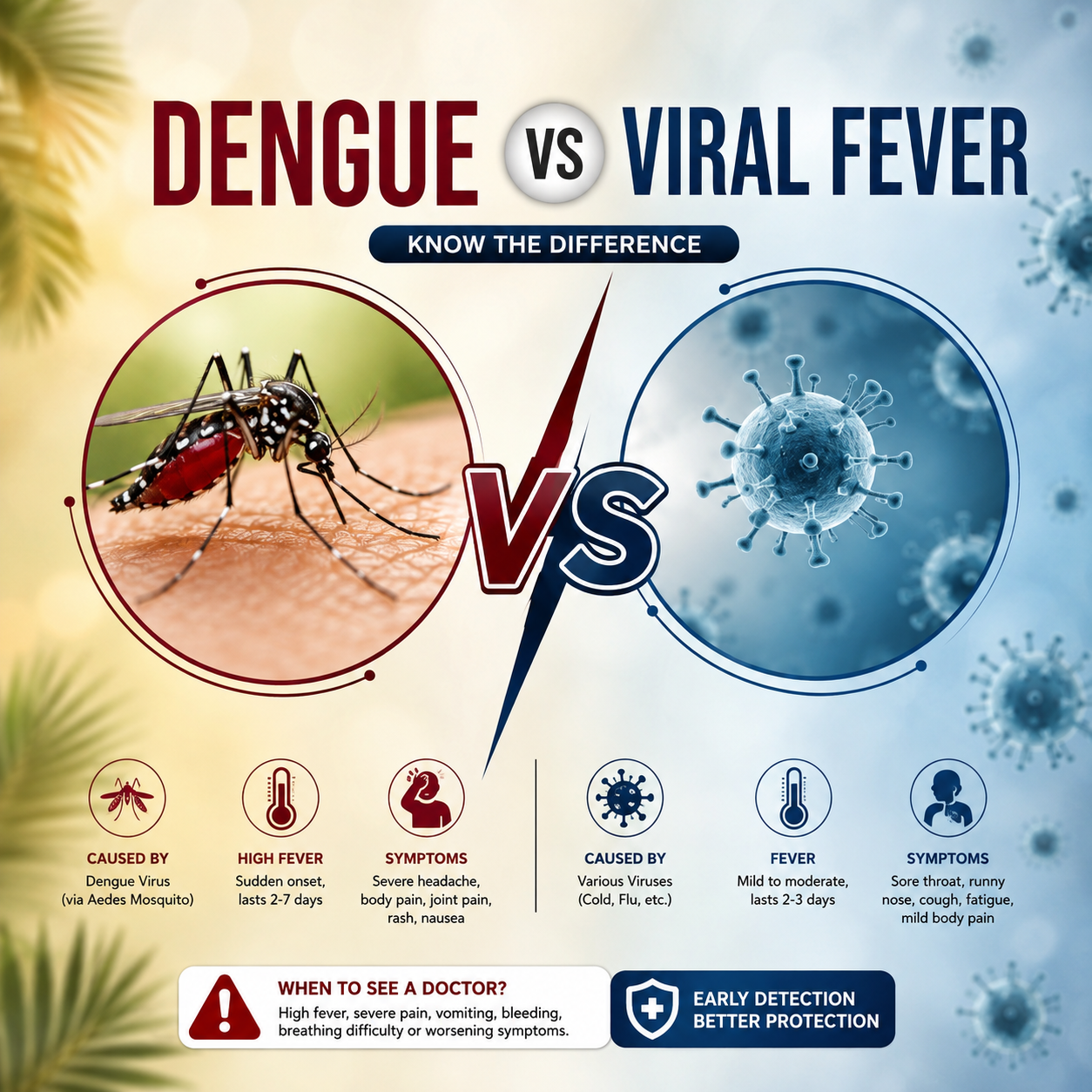
Falciparum malaria — the species that dominates in sub-Saharan Africa and parts of India — can progress from mild fever to cerebral malaria, multi-organ failure, and death within 24–72 hours. A traveler who develops fever on day 6 of a safari, dismisses it as “travel tiredness,” and waits another day before seeking medical care may be in intensive care 48 hours later.
Malaria prophylaxis dramatically reduces this risk. No prophylactic is 100% effective — the correct message is that prophylaxis reduces infection probability by 90–98% when taken correctly. Prophylaxis does not eliminate the need for prompt testing if fever develops — it reduces risk, it does not eliminate it.
The Most Important Rule
Any fever within 3 months of return from a malaria-endemic area must be tested for malaria on the same day — not monitored for 24–48 hours. Tell Dr. Savaj your exact travel destination and dates. Falciparum malaria cannot wait for a morning appointment.
Destination Risk Assessment
The first step in any travel medicine consultation is destination-specific risk assessment. Malaria risk varies enormously — from negligible in urban tourist centres to extremely high in forest and tribal areas of sub-Saharan Africa and parts of India.
High Risk — Prophylaxis Essential
Moderate Risk — Prophylaxis Recommended
Low Risk — Standby Treatment
The Four Prophylactic Drugs — Which One for Your Trip
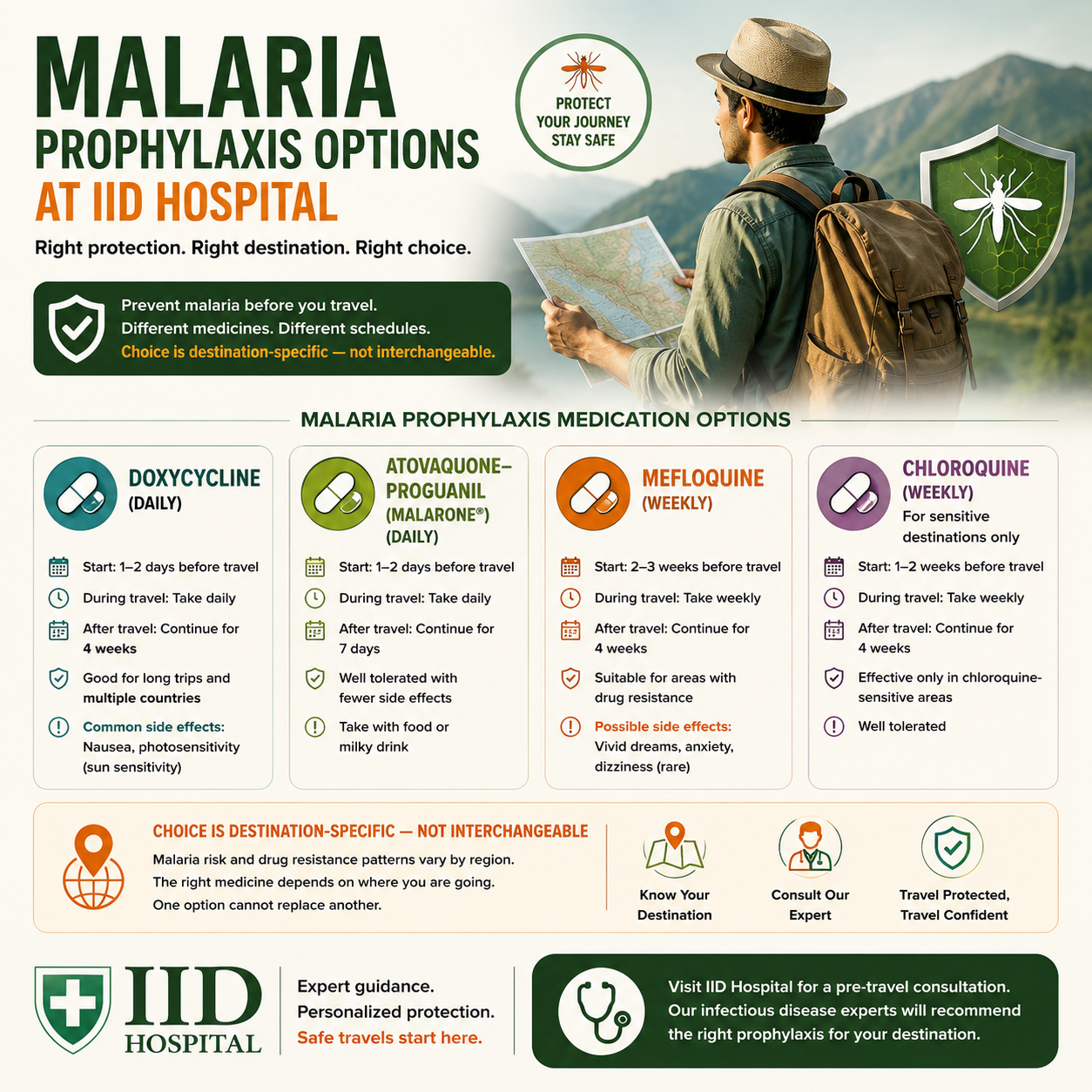
Each malaria prophylactic has a different mechanism, start time, side effect profile, and suitability for different destinations. The choice must be individualised — not based on convenience or cost alone.
| Drug | Start Before Travel | Take After Return | Best For | Key Cautions |
|---|---|---|---|---|
| Doxycycline 100mg daily | 1–2 days | 4 weeks | All high-risk destinations. First-line for Africa, PNG, resistance areas. | Photosensitivity (use SPF 50). Take with food. Contraindicated in pregnancy + children <8 yrs. |
| Atovaquone-proguanil (Malarone) daily | 1–2 days | 7 days only | High-risk destinations. Best option for short trips — shortest post-travel course. | Must be taken with food (3× better absorption). More expensive. Avoid in severe renal impairment. |
| Mefloquine Weekly | 2–3 weeks | 4 weeks | Africa, where weekly dosing preferred. Long trips. | Neuropsychiatric side effects (vivid dreams, anxiety, dizziness) in ~5%. History of psychiatric illness: avoid. Start 2–3 weeks early to test tolerability. |
| Chloroquine Weekly | 1–2 weeks | 4 weeks | Only for chloroquine-sensitive destinations. Central America (west of Panama Canal), Haiti, Dominican Republic. | Resistance is widespread: most of Africa, India (falciparum), SE Asia. Do not use for Africa or most of Asia. Safe in pregnancy. |
The Critical Mistake — Stopping Prophylaxis on Return Day
The most common prophylaxis error: stopping the drug the day the flight lands. Malaria parasites can incubate for up to 4 weeks (falciparum) or even months (vivax hypnozoites) after the last exposure. Stopping prophylaxis early removes protection during this window. Doxycycline and mefloquine: continue for 4 weeks after leaving the endemic area. Atovaquone-proguanil: continue for 7 days.
Personal Protection — Prophylaxis Is Not Enough Alone
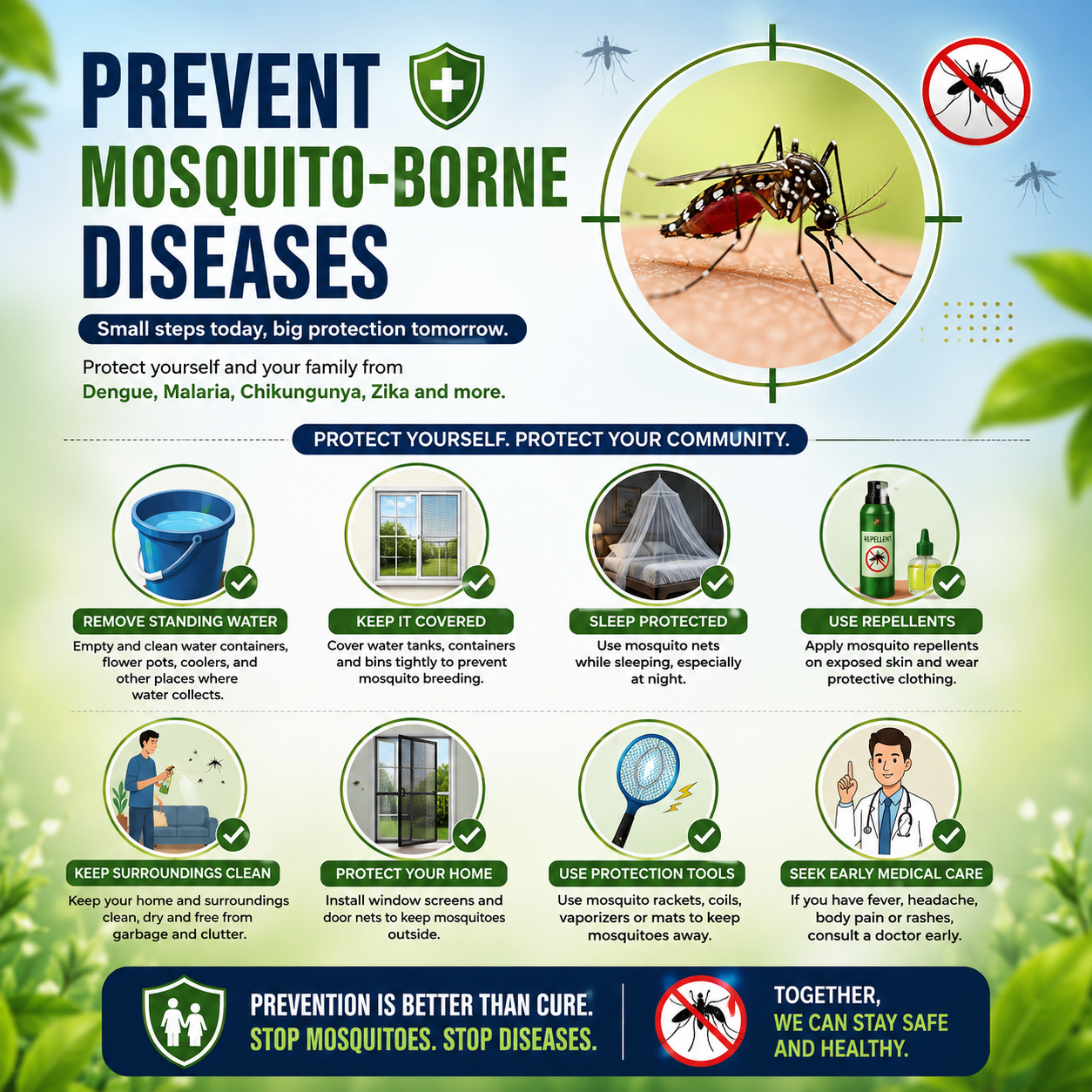
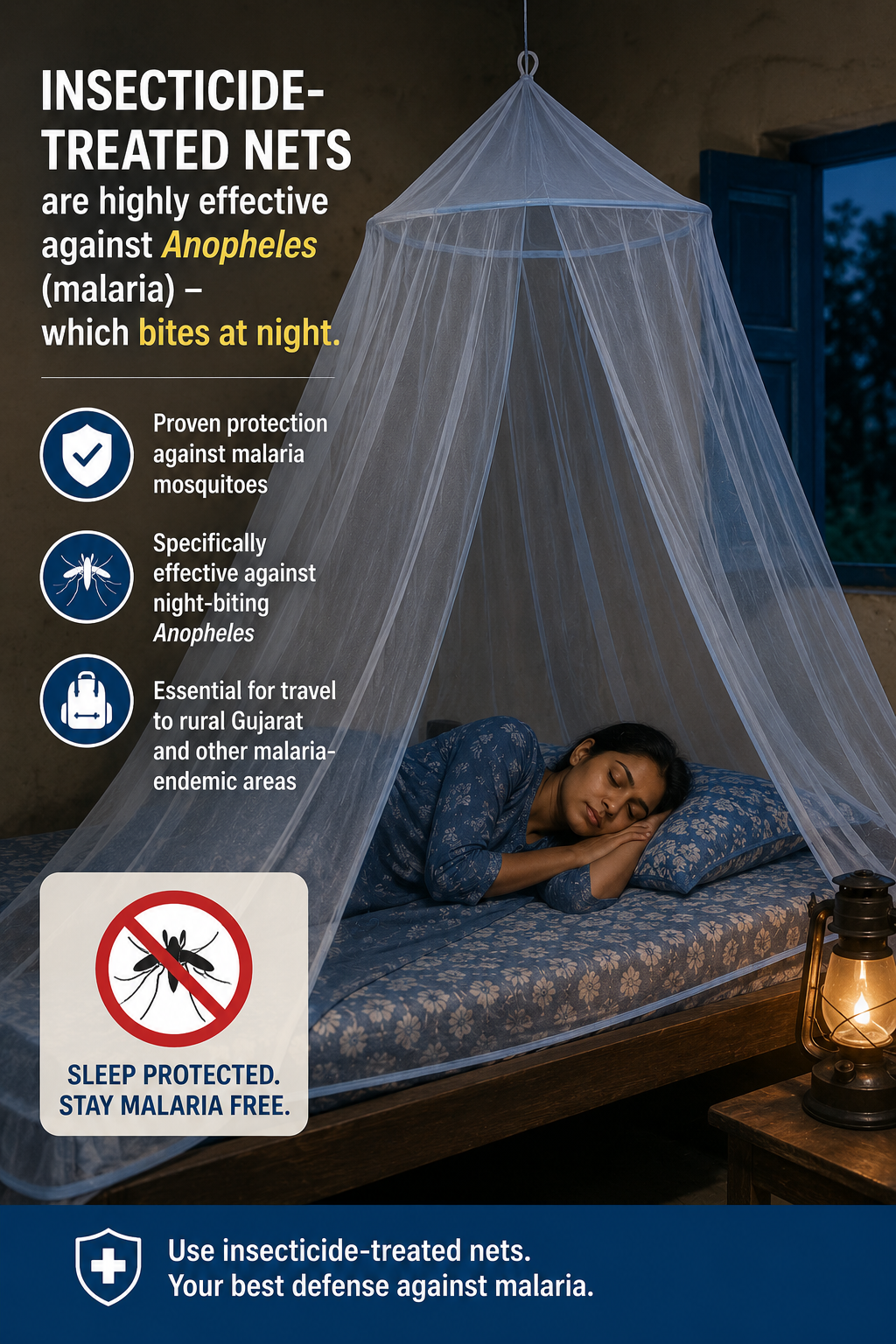
Drug prophylaxis and personal protection measures are complementary, not alternatives. The most effective malaria prevention combines both. Anopheles mosquitoes bite predominantly from dusk to dawn — the personal protection window.
The Complete Pre-, During-, and Post-Travel Protocol
Before Travel — 4–6 Weeks Before
During Travel
After Return
Pre-Travel Consultation at IID Hospital — What to Expect
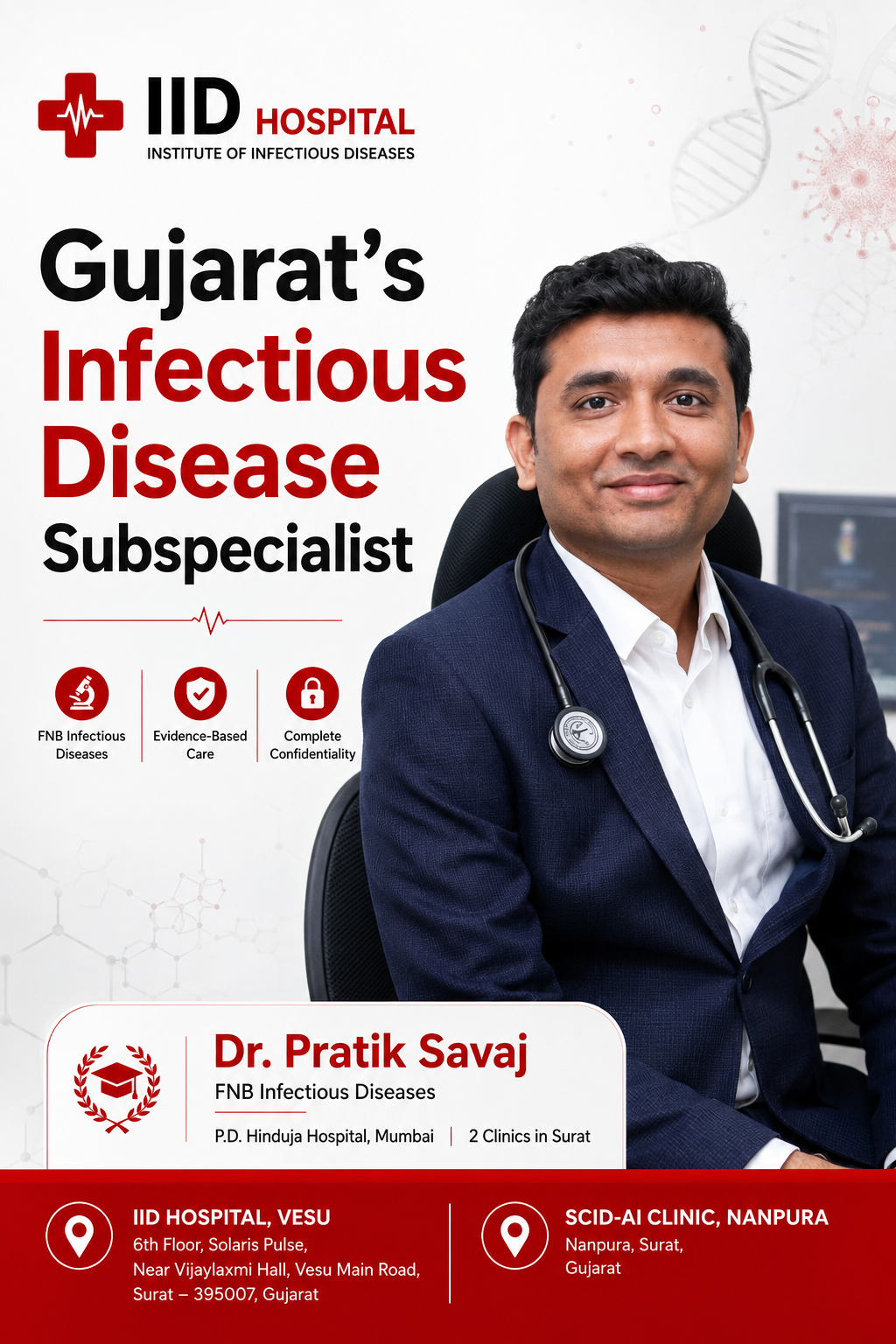
Dr. Pratik Savaj provides pre-travel consultations at IID Hospital, Vesu, Surat for both domestic high-risk travel (Odisha, Jharkhand, tribal areas) and international travel. The consultation covers: destination-specific malaria risk; correct prophylactic selection based on destination + personal health; travel vaccines (hepatitis A, typhoid, yellow fever, Japanese encephalitis); food and water precautions; standby emergency treatment; and post-travel follow-up.
Book at least 4–6 weeks before departure — some vaccines require multiple doses, and mefloquine needs 2–3 weeks to assess tolerability before travel.
Post-Travel Fever — Come on Day 1
Any fever within 3 months of return from an endemic area: come to IID Hospital immediately. Tell Dr. Savaj your exact destination. Blood smear + RDT on the same day — not after waiting to see if fever resolves. Falciparum malaria does not wait. Vivax malaria can relapse months later — fever after tropical travel is malaria until proven otherwise.
The Travel Malaria Rule
Prophylaxis reduces risk by 90–98% — it does not eliminate it. Any fever within 3 months of return from an endemic area = malaria blood smear same day. Complete the post-travel course: doxycycline and mefloquine for 4 weeks after return; Malarone for 7 days. Never stop prophylaxis on the day the flight lands.